
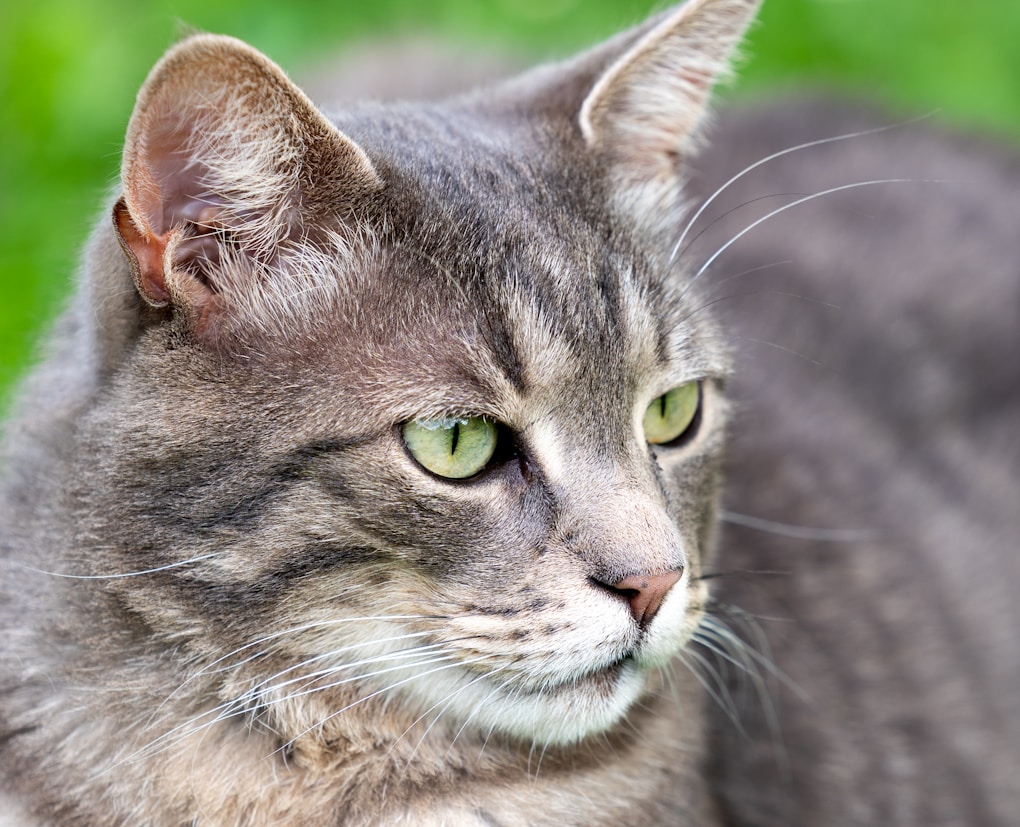
As cat owners, we might often find ourselves wondering about different aspects of our feline friends’ physiology. One common query is: “Why are my cat’s whiskers so short?” Whiskers are not just adorable features but play a crucial role in a cat’s sensory and navigational abilities. This article dives deep into the reasons behind whisker wear and tear, how it affects your cat, and what you can do to ensure their overall well-being.
Understanding Cat Whiskers
Before delving into the reasons behind shortened whiskers, it’s essential to understand what whiskers are and their importance. Whiskers, or vibrissae, are specialized hairs that are deeply embedded into a cat’s body and are connected to the nervous system. These hairs serve as highly sensitive touch receptors, which help cats navigate their environment and detect changes in their surroundings.
Reasons for Short Whiskers
Natural Wear and Tear
One of the primary reasons your cat’s whiskers might be shorter than usual is due to natural wear and tear. Cats are highly active animals; as they move around, explore, and engage with their environment, their whiskers might rub against various surfaces.
Although whiskers are resilient, constant friction and contact can cause them to break or become frayed over time. Additionally, rigorous grooming habits can contribute to whisker shortening, especially if the cat uses its paws to clean its face frequently.
Environmental Factors
Another factor that contributes to shortened whiskers is the cat’s environment. Homes with narrow spaces, rough surfaces, or dense underbrush outdoors can cause continuous abrasion to the whiskers. Even frequent interaction with other pets could lead to accidental whisker damage.
Health Issues
Health problems can also result in shortened whiskers. Fungal infections, skin conditions, and nutritional deficiencies might weaken the hair follicles, leading to brittle whiskers that break easily.
If you notice unusual changes in your cat’s whiskers along with other symptoms like itching, redness, or hair loss on other parts of the body, it is advisable to consult a veterinarian immediately. Ignoring these signs could result in the underlying condition worsening.
Behavioral Issues
Behavioral factors can contribute to whisker damage as well. Cats that are stressed or anxious may over-groom themselves, leading to the breakage of whiskers. In multi-cat households, aggressive interactions can also result in broken whiskers due to playful biting or fighting.
Impact of Shortened Whiskers
Loss of Spatial Awareness
A cat’s whiskers act as crucial sensory tools that help them judge the width of openings and detect nearby objects. With shortened whiskers, cats might struggle with spatial awareness, leading to clumsiness or difficulty navigating spaces that they previously maneuvered with ease.
Increased Stress and Anxiety
Cats rely significantly on their whiskers to gain information about their environment. A reduction in the sensory input from whiskers can make cats feel insecure or anxious, as they might find it challenging to detect potential threats or food sources.
Reduced Efficiency in Hunting
For outdoor cats or those that hunt as a form of play, the lack of long whiskers can impair their hunting skills. Whiskers help detect prey movement close to their face, aiding in capturing and handling prey more effectively.
Maintaining Your Cat’s Whisker Health
Regular Health Check-ups
Scheduling regular vet visits is essential to monitor your cat’s overall health, including their whiskers. Routine examinations can catch potential skin conditions, infections, or nutritional deficiencies that may affect whisker growth.
How Often Should Your Cat Have a Health Check
Balanced Diet
A well-rounded diet is fundamental in ensuring the health of your cat’s fur and whiskers. Nutrient deficiencies can lead to brittle or weak whiskers. Including food high in essential fatty acids, vitamins, and minerals will promote healthy whisker growth.
Consider incorporating omega-3 fatty acids, which are known to enhance fur and whisker health. Omega-3 from Fish Oil supplements are highly beneficial.
Stress-Free Environment
Providing a calm, stress-free environment significantly influences your cat’s whisker health. Avoid overcrowded spaces or settings that may induce anxiety. Create safe spots where your feline friend can relax away from loud noises or other stress-inducing factors.
Prevent Rough Play
While play is a natural behavior, make sure to minimize situations where whiskers might accidentally get damaged. Introducing interactive toys and controlling the intensity of play sessions can mitigate the risk of whisker damage.
Essential Cat Health Tips Explaine