
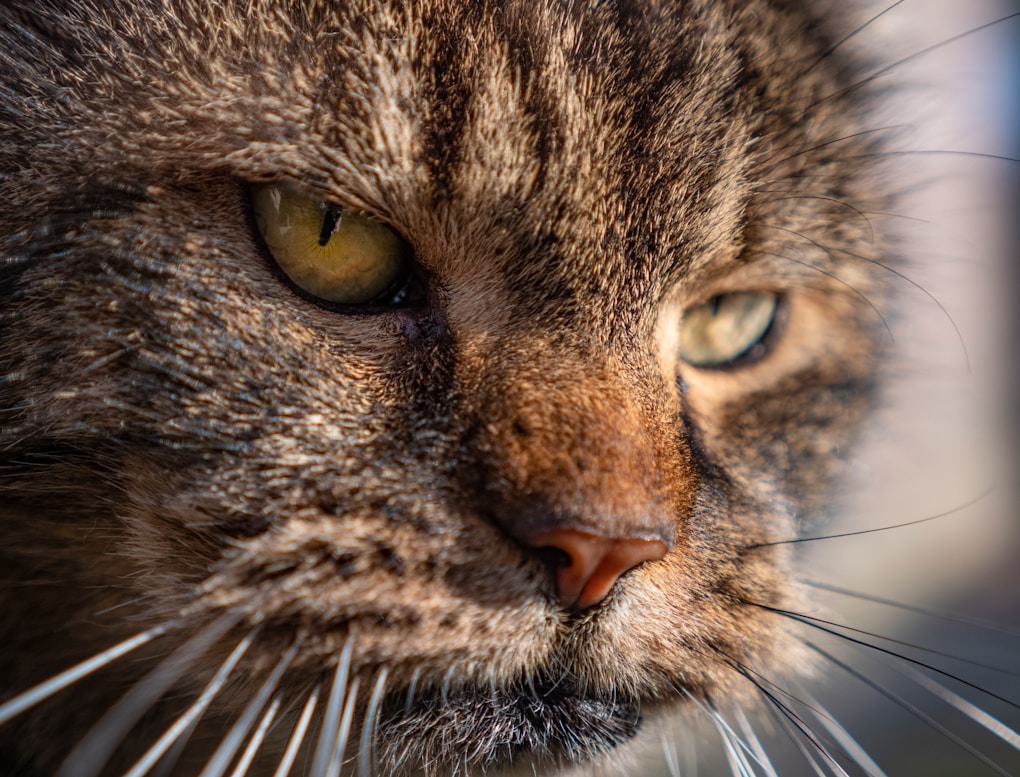
As cats gracefully age, they journey into their senior years with unique needs and changes. Understanding aging in cats can guide pet owners in providing the best care for their feline friends. In this article, we’ll explore what defines an older cat, what older cat health problems are, and how aging affects them differently. We will also highlight critical factors that influence aging while teaching you to recognize the signs of aging effectively.
What Defines an Older Cat?


Generally, a cat is considered a senior around seven to ten years of age. By this time, many cats begin displaying age-related physiological changes. According to Cornell University, a one-year-old feline is comparable to a 16-year-old human, and a cat reaching the age of ten parallels a 53-year-old person. Consequently, understanding a cat’s life stage can provide insights into its specific health requirements and the type of care it needs.
Today’s indoor cats commonly live into their late teens or even early twenties, owing to advancements in veterinary medicine and nutrition. This extended lifespan shifts the age at which cats are deemed seniors. Owners need to acknowledge this transition to help ensure their feline companions have thriving golden years.
How Aging Affects Cats Differently
Like humans, cats age uniquely. Some felines may remain active and playful well into their senior years, while others might experience age-related decline earlier in life. Understanding these differences can help tailor care and keep cats comfortable as they age.
Factors Influencing Aging
Genetics, diet, lifestyle, and medical care are all factors that influence how a cat ages. Additionally, indoor cats generally live longer than those that roam outdoors, as they avoid the risks associated with traffic, predators, and diseases. Nutritious diets and regular veterinary checkups further enhance a cat’s longevity and quality of life.
Recognizing the Signs of Aging
The signs of aging in cats might be subtle at first, but they gradually become noticeable. Common indicators include decreased mobility, changes in weight, increased sleeping, and behavioral shifts. Observing a decline in grooming habits, vocalization alterations, or heightened anxiety can also suggest aging. Understanding these signs is essential for providing timely care.
Regular veterinary examinations are crucial for diagnosing and managing age-associated illnesses. Senior cats may experience conditions like kidney disease, heart disease, or arthritis. Attention to these issues ensures they are managed effectively.
By observing these signs and understanding the complexities of feline aging, cat owners can significantly enhance the quality and length of their beloved pet’s life.
Common Health Issues in Older Cats


Our beloved feline companions are reaching longer lifespans due to advancements in veterinary care, nutrition, and overall living conditions. While aging is a natural progression, it brings with it certain health challenges. Understanding these issues can equip cat owners with the knowledge needed to ensure a happy, healthy life for their senior cats.
As cats age, they become more susceptible to various age-related diseases. Close observation and regular veterinary check-ups are critical in addressing these health concerns early. Ensuring your cat’s nutrition and environment are well-managed are essential strategies in managing these health complications.
Age-Related Diseases
Senior cats often encounter an array of health issues stemming from aging. It is essential to recognize signs and symptoms early to manage them effectively.
Chronic Kidney Disease (CKD)

Chronic Kidney Disease is a prevalent ailment in older cats, characterized by a progressive decline in kidney function. This deterioration affects the body’s ability to filter toxins from the blood, regulate blood pressure, and produce certain hormones.
For more insights on kidney ailments, you can explore this guide on kidney stones in cats.
Diabetes in Senior Cats
Diabetes mellitus in cats can occur as they age, primarily due to obesity and lack of physical activity. It is characterized by high blood sugar levels resulting from inadequate insulin production.
Consistent monitoring of your cat’s diet and maintaining an active lifestyle can significantly mitigate the risks associated with diabetes. Understanding related conditions like heart diseases can further assist in managing senior cat health.
Hyperthyroidism


Hyperthyroidism results from an overproduction of thyroid hormones, often due to benign tumors on the thyroid gland. It leads to a range of symptoms including weight loss, hyperactivity, and increased appetite.
For more on how environmental factors contribute to conditions like hyperthyroidism, consider reading about canned food dangers.
Mobility and Sensory Challenges
As cats age, they often experience difficulties in mobility and sensory perception. Early detection and intervention can greatly enhance their quality of life.
Arthritis and Joint Pain


Arthritis is a degenerative joint disease that causes inflammation and pain. This condition is common in older cats and can significantly affect their movement and daily activities.
Some cats may benefit from physical therapy or acupuncture. Consult with your veterinarian for a tailored approach to managing joint health.
Hearing and Vision Loss
Senior cats frequently encounter issues with hearing and vision. These sensory declines result from age or underlying medical conditions such as hypertension or chronic ear infections.
Despite these challenges, with proper care and minor adjustments in their environment, cats with hearing or vision impairments can continue to lead fulfilling lives.
Behavioral and Cognitive Changes
Behavior and cognitive ability can be significantly altered as cats grow old. These changes may be subtle and often mistaken for signs of normal aging.
Dementia in Cats


Also known as Feline Cognitive Dysfunction, dementia in cats leads to cognitive decline, affecting their memory, learning, and spatial awareness. Signs include disorientation, changes in social behavior, and disrupted sleep patterns.
Introducing antioxidant supplements and maintaining a predictable daily routine can ease anxiety and improve cognitive function in older cats. If your cat displays unusual behavioral changes, consult a veterinarian.
Changes in Activity Levels and Habits
Older cats often exhibit decreased activity levels and different behavioral patterns. They may show less interest in playtime, groom themselves less frequently, or change their eating habits.
These signs can indicate various underlying issues, including arthritis, stress, or chronic pain. More insights on how stress affects feline behavior can be found on understanding cat stress.
It is beneficial to provide older cats with enriching activities suited to their energy levels, such as gentle play sessions or exploring new textures and scents.
Caring for Your Older Cat


Caring for your older cat requires special attention to changes in their health and routine. As cats age, they may experience various health challenges and behavioral changes that necessitate adjustments in their care. Understanding the needs of a senior cat can help to ensure their golden years are comfortable and happy.
One of the key aspects of caring for an aging feline is being observant and proactive about their health. Regular visits to the veterinarian are crucial. Routine check-ups enable timely detection of common senior cat illnesses such as diabetes or kidney disease, which are more manageable when caught early.
Preventative Health Measures


Regular veterinary check-ups are essential to identify health issues before they progress. Senior cats should have scheduled health evaluations at least twice a year, focusing on early detection of ailments such as overweight problems, as obesity can exacerbate other medical conditions.
Vaccinations should still be maintained according to the schedule suggested by your vet, and preventive treatments for parasites like fleas and worms need to continue, as older cats can be more susceptible to infestations. For flea management in indoor cats, read more tips here.
Nutrition also plays a critical role. Senior cats may need diets that are higher in protein and lower in calories to maintain a healthy weight. Explore options like the Wysong Epigen 90 for its advanced formula catering to the nutritional needs of older cats.
Home Care Tips for Senior Cats


Creating a comfortable, stress-free environment is vital for the well-being of an older cat. Ensure they have easy access to food, water, litter boxes, and favorite resting spots. You might need to adapt your home to accommodate reduced mobility by placing ramps or choosing accessible litter boxes.
Environmental adjustments could also mean minimizing stress. Avoid unnecessary changes and introduce grooming routines including daily brushing for their coats and monthly nail clipping if they are less active. For natural dental care tips, refer to our dental care guide.
Promoting Mental and Physical Well-being


Just as physical health is crucial, so is mental stimulation. Encourage gentle play that doesn’t overly exert them, using toys that match their physical capabilities. Activities like interactive play and puzzle feeders can stimulate their mind while encouraging movement.
Enrich their daily environment with stimulating objects or views. For indoor cats, consider a safe outdoor enclosure to allow your cat to enjoy fresh air and new sights while staying secure, as discussed in this article.
Nutrition continues to play a part in their cognitive health. Incorporate supplements or foods that support joint health and brain function. For more dietary tips, see our nutrition guidelines.
Conclusion
Caring for senior cats involves attention, patience, and understanding. Their needs might change over time, but with the right care, they can continue to live contentedly in their twilight years. Engage regularly with your vet, make thoughtful changes to their routine, and foster a loving environment to keep your beloved cat healthy and happy throughout their senior years. For further assistance, visit our guide on choosing pet insurance to safeguard against unexpected health expenses as they age.