
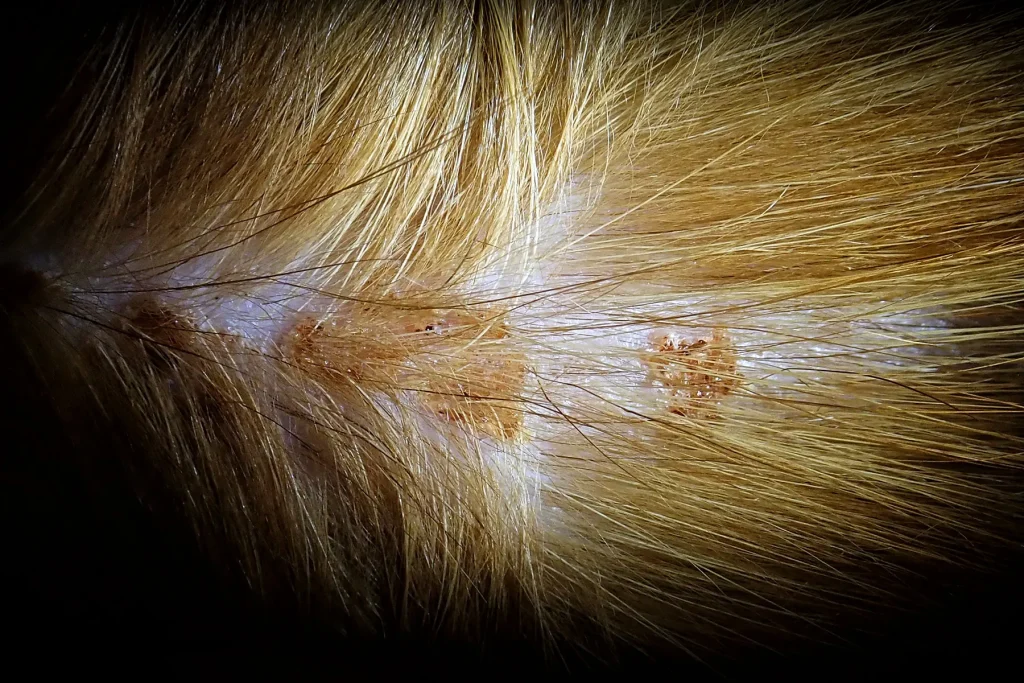
The world of cat skin conditions is vast and resilient, just like our feline companions themselves. Among these concerns, cat skin scabs stand out, often manifesting as tiny crusts or patches on the cat’s delicate skin. Understanding their origins, symptoms, and potential treatments is crucial for maintaining your cat’s optimal health.
These seemingly harmless scabs can sometimes signal underlying issues that require your attention. Hence, recognizing scabs and their potential causes can keep your feline friend comfortable and itch-free.

What Are Cat Skin Scabs?
Cat skin scabs, often the external indicator of an internal problem, can surface due to various reasons, ranging from minor irritations to more significant concerns. They might be a mere consequence of a cat’s overzealous grooming habits or a reaction to something much more serious, such as an allergic response or a parasitic infection.
Overview of Cat Skin Scabs
To the untrained eye, cat skin scabs may appear as small, rough patches on an otherwise smooth coat. These crusted lesions can be a sign of underlying skin issues often caused by excessive scratching or existing skin conditions. The term “miliary dermatitis” is often associated with these scabs, stemming from various allergic reactions or parasitic invasions.
Common Symptoms and Signs
Cats with skin scabs might appear restless, showing signs of itchiness and discomfort. You might notice your cat frequently licking or scratching certain spots, leading to bald patches or new wounds. Symptoms often appear around the head, neck, and back, and can sometimes result in secondary infections if left unchecked. A visit to the veterinarian is advisable if these signs persist.
Why Cats Develop Scabs
Scabs develop as a protective mechanism, much like in humans, where they form as a barrier at the site of skin damage. For cats, the primary causes could range from an allergic reaction to pests, an autoimmune response, or even an irritation caused by a substance they might have come into contact with.


Common Causes of Cat Scabs
In unraveling the mystery behind cat skin scabs, identifying the common causes plays a pivotal role. Various factors like fleas, allergies, and infections can act as triggers, each demanding a unique approach to treatment.
Fleas and Parasites
One of the most notorious causes behind cat scabs and associated skin problems is infestation by fleas and other parasites. These tiny creatures can cause a cat significant discomfort and stress, eventually leading to scabs due to constant scratching.
How Parasites Cause Scabs
Parasites like fleas feed on your cat’s blood and their bites can cause allergic reactions, resulting in intense itching. Affected cats will scratch persistently, leading to open sores which scab over time as they attempt to heal.
However, even after healing, the continued presence of fleas can create a vicious cycle of itch and scratch, further aggravating the area.
Identifying Fleas and Mites
Early identification of fleas can save your cat from a lot of pain. Look for small black particles—often flea dirt—on your cat’s skin. Mites, though harder to spot, can leave similar trails of irritation. Regular grooming and checks can significantly help in early detection.


Allergies and Environmental Factors
Allergy-related scabs are a common issue in cats. Allergies can be triggered by food, environmental factors, or any new product introduced to the cat’s life. Each cause requires a specific management strategy to prevent reoccurrence.
Food Allergies
Cats, much like humans, can suffer from food allergies. An adverse reaction to a specific ingredient can manifest as skin issues, including scabs. Conducting an elimination diet may be necessary to pinpoint and exclude the specific allergen from their meals.
Environmental Allergies (Pollen, Dust, etc.)
Environmental elements like pollen, dust, and mold can also lead to skin reactions in cats. During high pollen seasons, monitoring your cat’s symptoms closely can help mitigate severe allergic eruptions and subsequent scab development. Regular cleaning and reducing allergens at home can help manage this issue.
Infections and Diseases
Infections stemming from bacteria or fungi can result in irritated skin that leads to scabbing. These infections can vary in severity, necessitating timely veterinary intervention to ensure they do not cause further health complications.
Ringworm and Fungal Infections
Contrary to its name, ringworm is not a worm but a fungal infection. It creates circular, scaly patches on the skin, which may lead to the formation of scabs. It’s highly contagious among animals, requiring strict isolation and treatment protocols.
Bacterial and Viral Skin Infections
Bacterial infections often occur following skin damage, where open sores from scratching get infected. Viral infections might crop up due to various systemic illnesses. Treatment involves addressing the primary cause and can involve antibiotics or antiviral medications prescribed by a vet.
Recognizing and understanding these underlying causes of cat skin scabs ensures that your feline companion stays in optimal health. Being proactive in your approach, through regular veterinary checkups and a healthy environment, can greatly reduce the risk of recurrences and keep those pesky scabs at bay.
Diagnosing Cat Scabs


Diagnosing cat scabs effectively requires a comprehensive understanding of potential causes, symptoms, and the best time to seek veterinarian assistance. Recognizing the nuances that differentiate scabs from other cat skin conditions is crucial in providing the best care for your feline.
When to Visit a Veterinarian
While some minor skin conditions can be attended to at home, veterinarians play a critical role in diagnosing and managing cat skin ailments. It’s vital to know when a trip to the vet is necessary to prevent further complications.
Signs That Require Immediate Attention
Signs such as persistent bleeding, excessive itching, or sudden behavioral changes should be examined by a vet immediately. Bleeding can signal more severe issues like skin cancer or infections, which require prompt medical intervention.
Diagnostic Tests and Procedures
Veterinarians may use diagnostic tests such as allergy tests, skin scrapings, or biopsies to determine the specific cause of the cat scabs. In some cases, a referral to a veterinary dermatologist may be suggested for more complex conditions.
Differentiating Scabs from Other Skin Issues
Accurate diagnosis includes distinguishing scabs from other potential skin problems. Notably, some conditions may present similar symptoms but require different treatments.
Hair Loss vs. Scabs
Cat scabs are often accompanied by hair loss, but the main distinguishing factor is texture: scabs are rough and crusty, while hair loss appears as smooth patches. Explore this further through managing cat hair effectively in your home.
Underlying Medical Conditions
Several underlying medical conditions can lead to skin issues in cats, including allergies, flea infestations, or more severe systemic conditions like immune disorders. Understanding these factors can guide the diagnosis and tailor specific treatment plans.
Treatment Options for Cat Skin Scabs


Once a diagnosis is made, several treatment avenues are available. Ranging from home remedies to veterinary prescriptions, each method is aimed at not just healing the scabs but preventing recurrence by addressing the root cause.
Home Remedies and Care
For minor conditions or in the preliminary stages, home care can provide relief and healing. Implementing these remedies correctly can foster an environment conducive to good skin health in your cat.
Topical Treatments and Creams
Topical steroid creams can be employed to lessen itchiness and pain. It’s essential to restrict your cat from licking off these treatments, possibly by the use of an E-collar to prevent ingestion.
E-Collars to Prevent Scratching
Elizabethan collars, or E-Collars, are effective in preventing the cat from further damaging its skin by scratching or biting. This allows topical treatments time to work and scabs to heal effectively.
Veterinary Treatments
When home strategies are insufficient, veterinary treatments provide a more tailored approach, involving medications or specific dietary adjustments to alleviate the condition’s root causes.
Medications and Prescriptions
Prescribed medications such as antihistamines, antibiotics, or anti-parasitic drugs may be necessary depending on the diagnosed cause. These treatments aim at alleviating symptoms while addressing underlying health concerns.
Diet Trials for Allergies
Diet trials may be recommended when food allergies are suspected. These involve strict dietary protocols using prescribed hypoallergenic foods, offering a way to identify or rule out certain allergens.
For more information on dietary management, consider exploring cat food choices to avoid potential allergens.
Preventing Cat Skin Scabs


Always proactive in its approach, preventing cat skin scabs requires a multi-faceted strategy to ensure your feline remains healthy and comfortable. Prevention involves controlling parasites, managing allergies, and reducing stress, each a cornerstone in fostering a scab-free environment for your cat.
Maintaining a Parasite-Free Environment
A fundamental component of preventing cat scabs is maintaining an environment free of parasites. This requires vigilance and consistency in caring for your cat’s surroundings.
Flea Prevention Strategies
Fleas are one of the main culprits behind feline skin scabs. A robust flea prevention strategy is crucial. Regular use of veterinary-recommended flea treatments and keeping your indoor and outdoor environments flea-free can help manage this problem effectively. It’s worth remembering that even strictly indoor cats can be exposed to fleas carried in from outside or from other animals.
Regular Grooming and Hygiene
Regular grooming helps detect any parasite problems early and maintains your cat’s skin and coat health. Brushing removes loose hairs and distributes natural oils, promoting a healthy and shiny coat. Furthermore, clean bedding and living areas minimize potential flea habitats, contributing to a healthier environment.
Managing Allergies
Just as in humans, allergies can severely impact the health and happiness of your pet. Understanding and managing these allergies are pivotal in preventing skin issues.
Allergen-Free Diets
Food allergies can be a significant trigger for skin conditions in cats. Utilizing an allergen-free diet can help identify and eliminate dietary causes of skin scabs. An elimination diet might be necessary to determine specific food triggers effectively.
Creating a Safe Home Environment
Environmental allergens, such as dust or pollen, can significantly affect a cat’s skin. Using air purifiers and maintaining clean living spaces is vital to minimize these allergens. Regular cleaning of surfaces and the use of hypoallergenic products can further enhance your cat’s living environment.
Stress Management for Cats
Stress is an often-overlooked contributor to feline skin conditions. Reducing stress in your cat’s life can diminish anxiety-induced grooming behaviors that lead to skin issues.
Reducing Anxiety-Induced Grooming
Stress can sometimes manifest in excessive grooming behaviors, leading to hair loss and scabs. Identifying and mitigating stressors is key. A stable routine and a calm environment can significantly alleviate this issue.
Providing Enrichment and Comfort
To ensure your cat’s life is enriched while maintaining comfort, offer toys, safe spaces, and interactive playtime. This not only reduces anxiety but also keeps your cat mentally stimulated and physically active.
Final Thoughts on Cat Skin Health


Maintaining your cat’s skin health involves understanding the various factors contributing to skin conditions and employing consistent preventative strategies. Regular check-ups, combined with vigilant home care, pave the way for healthy cat skin.
Importance of Early Intervention
Recognizing and addressing skin conditions early can prevent them from escalating into more severe issues. Regular veterinary checks ensure that any concerns are swiftly managed with professional guidance, facilitating more effective treatment plans.
Building a Healthy Routine for Your Cat
Consistency is key to maintaining your cat’s health. A balanced diet, regular grooming, scheduled vet visits, and a clean, enriched living environment collectively contribute to your cat’s long-term skin health.