
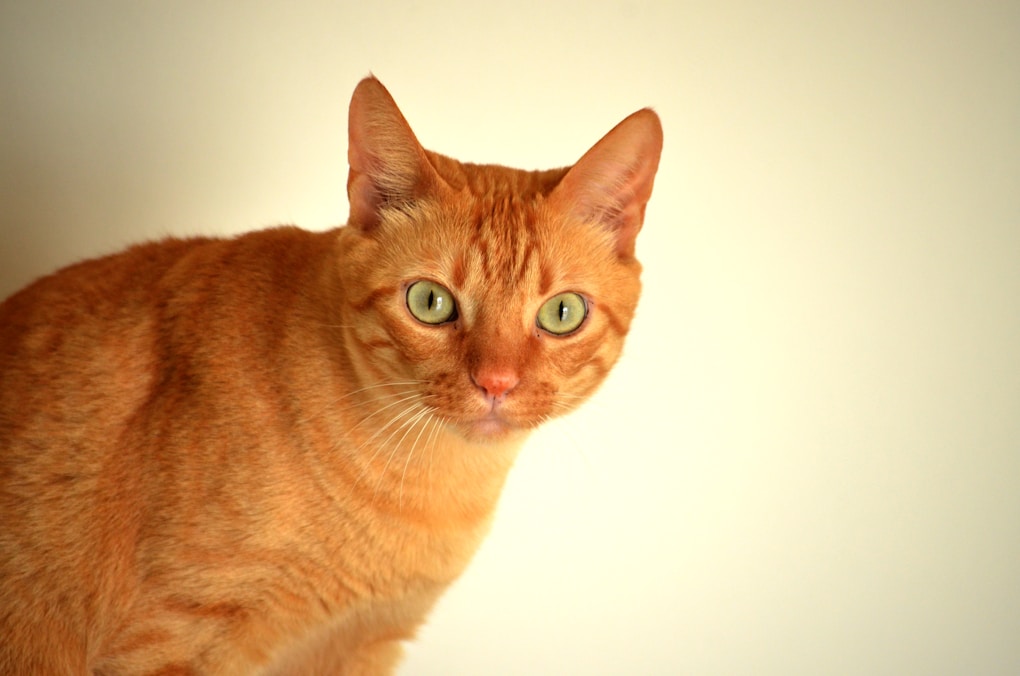
As cat owners, it’s essential to be aware of the various health conditions that can affect our beloved feline companions. One condition that often goes unnoticed is seasonal allergies. Just like humans, cats can suffer from seasonal allergies, which can cause discomfort and health issues. In this comprehensive guide, we’ll explore whether cats can have seasonal allergies, the signs to look out for, and effective treatments that can help alleviate their symptoms.
Do Cats Get Seasonal Allergies?
Cats can indeed suffer from seasonal allergies, though it is less common compared to dogs and humans. Allergies in cats typically stem from environmental factors such as pollen from trees, grasses, and weeds, as well as mold spores and dust mites. These irritants can lead to allergic reactions during certain times of the year, predominantly in spring and fall.
Understanding how feline allergies develop is crucial. When a cat is exposed to allergens, its immune system mistakenly identifies these harmless substances as threats, triggering an immune response. This response causes inflammation in various parts of the cat’s body, leading to the symptoms we commonly see.
Common Symptoms of Seasonal Allergies in Cats
The signs of seasonal allergies in cats can be subtle and may often be mistaken for other conditions. Here are some common symptoms to watch for:
Several distinct symptoms associated with allergies include:
- Itchy Skin: Cats may scratch or groom excessively, leading to redness and irritation.
- Respiratory Issues: Symptoms such as sneezing, coughing, and nasal discharge are common.
- Ear Infections: Frequent infections in the ears can signify an allergic reaction.
- Gastrointestinal Upset: Allergies might manifest through vomiting or diarrhea in some cases.
It’s critical to differentiate between seasonal allergies and other skin or respiratory ailments. If your cat exhibits signs of discomfort, it’s time to seek professional advice.
How to Diagnose Feline Allergies
The diagnosis of allergies in cats can be complex, often requiring a thorough examination by a veterinarian. Here’s a step-by-step approach that might be used:
Veterinary Consultation
During the visit, the veterinarian will conduct a physical examination and inquire about the cat’s history, including when symptoms occur and their severity. This helps identify potential allergens.
Allergy Testing
There are two main types of allergy tests available for cats:
- Skin Tests: Small amounts of allergens are introduced to the skin, and any reactions are monitored.
- Blood Tests: A blood sample is tested for specific IgE antibodies that react to common allergens.
Elimination Diets
If food allergies are suspected, your vet may recommend an elimination diet. This involves feeding your cat a specific diet for a few months while monitoring for symptom improvement.
Treatment Options for Cats with Allergies
Treating seasonal allergies in cats can involve several strategies, including medication, lifestyle adjustments, and potential allergen avoidance:
Medications
Several types of medications can effectively manage allergy symptoms:
- Antihistamines: These can help alleviate itching and other allergic symptoms. Always consult your vet for appropriate options.
- Corticosteroids: These can reduce inflammation and are particularly effective for more severe reactions.
- Immunotherapy: Allergy shots can help desensitize cats to specific allergens over time.
Lifestyle Adjustments
Changes in your cat’s environment can also significantly help manage allergy symptoms. Consider the following:
- Regular Cleaning: Keep your home free of dust and allergens by vacuuming frequently and using air purifiers.
- Limit Outdoor Exposure: Reducing time spent outdoors during high pollen seasons can help minimize exposure to allergens.
- Regular Grooming: Bathing and brushing your cat regularly can help remove allergens from their fur.
Natural Remedies
Some cat owners opt for natural remedies to manage allergy symptoms. However, always consult your veterinarian before trying any home treatments:
- Fish Oil: Omega-3 fatty acids can help improve coat health and reduce inflammation.
- Apple Cider Vinegar: Diluted and used topically, it may help relieve itching, though it’s essential to do a patch test first.
Prevention of Seasonal Allergies in Cats
While it’s challenging to prevent allergies entirely, staying vigilant and prepared can help mitigate their impact:
Following these tips can assist in minimizing allergy occurrences:
- Monitor Allergens: Keep a diary of when your cat shows symptoms and correlate them with outdoor conditions.
- Keep Indoor Air Clean: Regularly change air filters and use HEPA filters to maintain a cleaner environment.
- Consult Your Veterinarian: Regular check-ups can help catch and address allergies early on.
Conclusion
Seasonal allergies can significantly impact a cat’s quality of life, but with proper understanding and management, cat owners can navigate this challenge effectively. Recognizing the symptoms and seeking professional guidance is crucial to ensure that your feline friend remains healthy and comfortable. By implementing preventive measures and treatment strategies, you can help alleviate your cat’s discomfort from seasonal allergies and provide them with a happier, healthier life.