
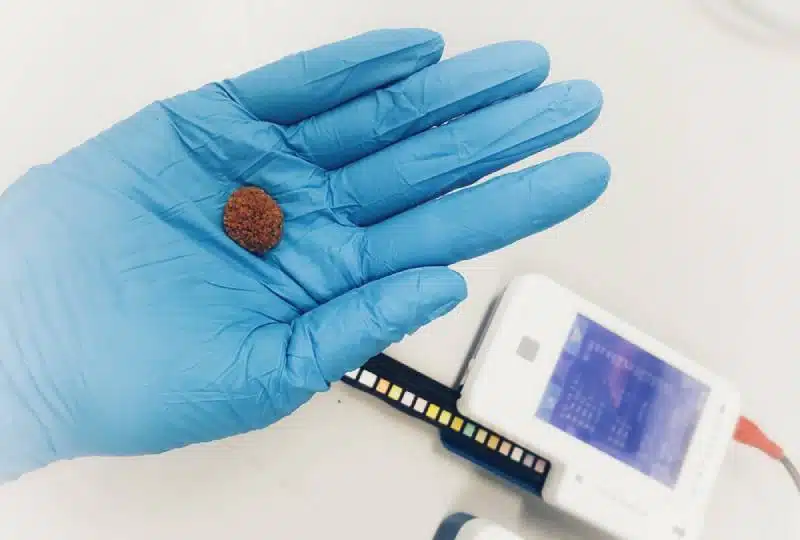
Kidney stones in cats can be a serious health issue that many pet owners may not realize affects their furry friends. As a responsible cat owner, understanding the causes, signs, and care associated with kidney stones is essential for maintaining your cat’s health. This comprehensive guide will delve deeply into the topic, providing you with vital information and tips for prevention and care.
Understanding Kidney Stones in Cats
Kidney stones, or urolithiasis, are hardened mineral deposits that form in your cat’s kidneys or urinary tract. While they can be relatively small, they can cause significant pain and health problems if they obstruct the urinary system. Additionally, if the stones are large enough, they can cause damage to the kidney, leading to more severe health complications.
Causes of Kidney Stones in Cats
Various factors contribute to the formation of kidney stones in cats. One of the primary reasons is the composition of their diet. High levels of certain minerals, such as calcium, can lead to crystal formation in the urine, which eventually develops into stones. Common dietary causes include:
The type of food your cat consumes plays a crucial role in kidney stone formation. Commercially prepared diets that are high in protein and low in moisture content can concentrate minerals in the urinary tract, promoting stone development. Additionally, proper nutrition is vital for preventing urinary issues.
Types of Kidney Stones
There are several different types of kidney stones that can affect cats:
- Calcium oxalate stones: These are the most common and can arise from diets high in calcium and oxalates.
- Struvite stones: Often associated with urinary infections, these stones form in alkaline urine.
- Urate stones: These stones are rarer and can form in cats with liver issues, specifically those affecting the breakdown of uric acid.
Signs and Symptoms of Kidney Stones
Recognizing the signs of kidney stones in cats is crucial for early intervention. Common symptoms include:
1. Frequent Urination
If your cat is trying to urinate more often than usual but produces little to no urine, this could indicate a blockage.
2. Blood in Urine
Straining during urination may result in blood appearing in the urine, a clear sign of urinary distress.
3. Pain or Discomfort
If your cat is exhibiting signs of discomfort, such as vocalizing when trying to urinate or showing a reluctance to jump or play, this could signal kidney stones.
4. Vomiting
Vomiting, lethargy, and loss of appetite can also be signs of underlying kidney issues.
Diagnosing Kidney Stones in Cats
If your cat exhibits any of the above symptoms, it’s critical to consult your veterinarian promptly. Diagnosing kidney stones typically involves:
- Physical Examination: Your vet will conduct a thorough examination and ask about your cat’s medical history.
- Imaging: X-rays or ultrasounds may be used to visualize stones and assess their size and location.
- Urinalysis: A urine test can determine the type of stones present and can help identify any infections.
Treatment Options for Kidney Stones
Effective treatment depends on the size and type of the stones. Potential treatment options include:
1. Dietary Changes
For some types of stones, shifting to a specialized diet formulated to dissolve struvite stones may be beneficial.
2. Increased Water Intake
Encouraging your cat to drink more water is essential. Wet food can also help maintain hydration and dilute the urine, reducing the risk of stone formation.
3. Surgery
In severe cases, where the stones are too large or obstructing the urinary tract, surgical intervention may be necessary. Vet professionals can also employ cystoscopy in some instances to remove stones via a minimally invasive approach.
4. Medication
Medications may be prescribed to manage inflammation or pain, especially during the acute phase of the illness.
The importance of early diagnosis and treatment cannot be overstated. If you notice any concerning changes in your cat’s urinary habits, consult your veterinarian right away. Regular health check-ups can also help catch potential issues early.
Preventing Kidney Stones in Cats
Prevention strategies are critical in ensuring your cat remains healthy. Here are essential tips to help prevent kidney stones:
1. Proper Hydration
Ensure your cat has constant access to fresh, clean water. Consider using a pet water fountain, as many cats prefer drinking running water.
2. Balanced Diet
Consult your vet for a nutritionally balanced diet appropriate for your cat’s age and health condition. Choosing high-quality cat food can make a significant difference in reducing stone formation.
3. Regular Vet Visits
Regular veterinary check-ups help track your cat’s health and can assist in identifying urinary issues early on.
4. Monitoring Weight
Being overweight can increase the risk of developing certain health issues, including kidney problems. Maintaining your cat’s healthy weight is essential.
5. Encouraging Regular Exercise
Physical activity can help your cat regulate their metabolism and urinary health. Engaging your cat in play is beneficial and encourages a healthy lifestyle.
When to Seek Veterinary Care
If you suspect your cat may have kidney stones, it’s crucial to act fast. Signs like straining to urinate, frequent trips to the litter box without results, or visible discomfort are all indicators that you should consult a vet immediately. Continuing to monitor your cat and being proactive about their health can lead to better long-term outcomes.
Conclusion
Kidney stones in cats can lead to severe health complications if they go undetected or untreated. It’s vital for cat owners to recognize the signs early and understand which preventative measures to take. Additionally, maintaining open communication with your veterinarian about your cat’s health is essential. From adjusting diets to ensuring proper hydration, taking proactive steps can safeguard your feline friend from the discomfort and risks associated with kidney stones.