
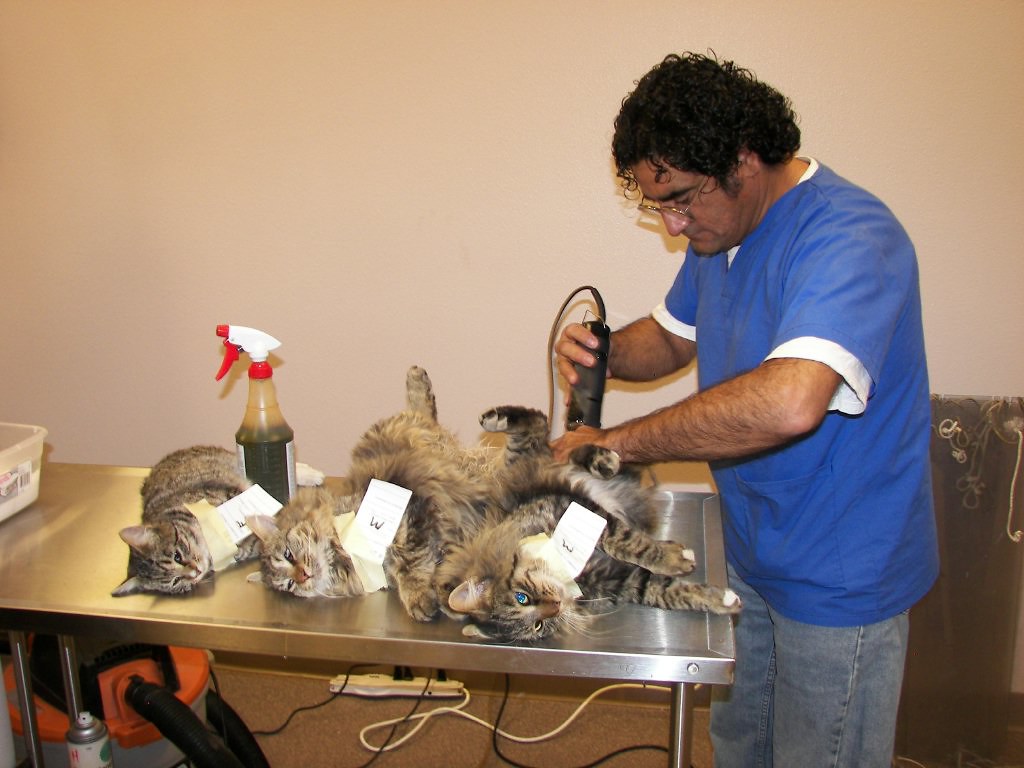
Your cat’s health is of paramount importance, and one effective way to ensure their well-being is through regular veterinary check-ups. But how often should your cat have a health check? This article will delve into the importance of routine vet visits, what to expect during these visits, and how they contribute to the overall health of your feline friend. We’ll also provide insights into related topics to offer a comprehensive view of cat care.
Importance of Regular Veterinary Checks
Regular health checks are crucial for catching potential health issues early and ensuring your cat lives a long, happy life. Just like humans, cats benefit immensely from preventive healthcare.
Benefits of Routine Vet Visits
There are numerous benefits to taking your cat for regular vet visits:
- Early Detection: Routine check-ups can identify health problems early, making treatment more effective.
- Vaccinations: Regular visits ensure your cat stays up-to-date on vaccinations, protecting them from various diseases.
- Nutritional Advice: Vets provide advice on proper nutrition, helping you maintain your cat’s optimal weight and overall health.
- Dental Health: Regular check-ups include dental exams to prevent oral diseases.
- Parasite Prevention: Vets can prescribe treatments to prevent fleas, ticks, and other parasites.
What to Expect During a Health Check
A standard health check typically includes the following assessments:
- Physical Examination: The vet will examine your cat’s body, eyes, ears, and mouth for any signs of abnormalities.
- Weight Measurement: This helps in monitoring your cat’s weight and diet adjustments if necessary.
- Blood Tests: These tests can reveal hidden health issues such as kidney disease or diabetes.
- Vaccination Updates: The vet will administer any due vaccinations.
- Discussion: You’ll have the chance to discuss any behavioral concerns or observations with the vet.
How Often Should Your Cat Have a Health Check?
The frequency of vet visits can vary depending on several factors, including age, health status, and lifestyle.
Kittens
Kittens require more frequent visits to ensure they are growing correctly and to stay on top of their vaccination schedule. Typically, a vet visit every 3-4 weeks until they are about 16 weeks old is recommended.
Adult Cats
For healthy adult cats, an annual check-up is generally sufficient. These visits allow the vet to catch any emerging health issues early.
Senior Cats
Senior cats (7+ years) should have a health check every six months. Older cats are more susceptible to health problems, and more frequent visits help manage age-related issues effectively.
Understanding Cat Behavior and Preventive Care
A comprehensive health plan goes beyond vet check-ups. Understanding your cat’s behavior and taking preventive measures is equally important.
Why Is My Cat Not Using the Litter Box?
Litter box issues are common among cats and often indicate a health or behavioral problem. Check out our guide on Why Is My Cat Not Using the Litter Box? for more insights.
How to Train Your Cat to Use an Automatic Cat Litter Box
Training your cat to use an automatic litter box can significantly reduce maintenance time and improve cleanliness. Learn how in our comprehensive guide on How to Train Your Cat to Use an Automatic Cat Litter Box.
Advanced Care for Your Cat
For those who want to go above and beyond in caring for their cats, consider investing in advanced cat care technologies and luxurious amenities.
The Best Automatic Cat Litter Box
An automatic cat litter box can make life easier for both you and your cat. Check out The Best Automatic Cat Litter Box for a review of the top options available.
Feeding Cats Watermelon
Curious about whether your cat can enjoy watermelon? Discover the safe tips in our article on Feeding Cats Watermelon.
Conclusion
Regular health checks are essential for maintaining your cat’s well-being. By scheduling routine vet visits, understanding their behavior, and considering advanced care options, you can ensure your feline friend enjoys a long, healthy life.