• Home
  • Blog
  • Reviews
  • Auto Litter Box
  • Maintenance
CatPeek
No Result
View All Result
  • Login
CatPeek
No Result
View All Result
CatPeek
No Result
View All Result
Home Cat Behavior and Training

Do Kittens’ Personalities Change as They Grow Up?

Discover the fascinating journey of kitten personality development, from early instincts to adulthood, and learn how socialization and experiences shape them into friendly and well-adjusted cats.

July 31, 2024 - Updated on August 3, 2024
in Cat Behavior and Training
69 0
A A
0
Share on FacebookShare on TwitterShare to Perplexity Ai
Cat Weight Calculator and Tracker Cat Weight Calculator and Tracker Cat Weight Calculator and Tracker

Kittens change significantly throughout their first year, experiencing rapid growth and reaching numerous behavioral milestones. But, do their personalities change too? Is it possible to predict a kitten’s personality as they grow into adults? Many believe that kittens inherit traits from their mother, but how accurate is that belief? Here, we’ll explore these fascinating aspects, helping you raise your kitten into a friendly, gentle adult.

The Ever-Evolving Kitten Personality

Do kittens’ personalities change? Yes, a kitten’s personality does change as they age. These changes don’t occur suddenly but develop gradually. Interestingly, you as their owner play a crucial role in shaping their personality.
Let’s delve into how a kitten’s personality might evolve over time.

0–7 Weeks: The Foundation Stage

bottle-feeding newborn kitten

In their earliest weeks (0-7 weeks), kittens are primarily ruled by instinct. During this phase, they rely on their littermates and mother for socialization, which helps them practice and develop basic social skills.

Most kittens at this stage exhibit high energy and curiosity, traits that are typical and not necessarily indicative of their future personality. It’s essential to ensure positive experiences during this time, as negative or scary incidents can instill lasting fears. Socializing your kitten from an early age is crucial for healthy development.

Positive Experiences Early positive experiences are crucial for kittens’ development. Ensuring a safe, loving environment helps foster a well-adjusted adult cat.

7–12 Weeks: Exploring Independence

During the 7-12 weeks period, kittens start becoming more independent. They explore their surroundings more actively and often are separated from their mother and littermates. It’s vital to provide plenty of gentle handling and social interaction during this phase, helping them get accustomed to human touch and behavior.

Your interactions are critical in helping kittens understand appropriate behaviors, such as not biting during play. Regular play sessions also reinforce trust and confidence. Socialization with different people and environments helps kittens grow into well-rounded adults.

Regular Handling Regular and gentle handling during this stage helps kittens to become accustomed to human touch, aiding in making them more sociable and less fearful.

3–12 Months: Hormones and Maturation

ginger kitten teething

At 3-12 months, kittens enter a phase of rapid physical growth, coupled with a surge in hormones as they reach sexual maturity around 6 months. This period can result in sudden changes in behavior: some become more cuddly, while others might grow more independent. Their inherent personality traits become more evident during this time.

Fixed cats tend to calm down around 12 months. If not, hormonal influences may persist, especially in larger cat breeds that mature slower. Although this phase can be challenging due to behavioral swings and high energy levels, it is temporary and leads to a more balanced adulthood.

It’s also important to consider the proper fostering care for kittens, ensuring they grow up healthy and well-adjusted.

Hormonal Changes Hormonal changes during puberty can lead to erratic behaviors in kittens. If not managed well, it can result in long-term behavioral issues.

Will Kittens Inherit Their Mother’s Personality?

It’s a common belief that kittens inherit their mother’s personality, and while there’s some truth to this, the reality is more complex. Kittens receive only half of their genetic makeup from their mother, with the other half coming from the father. This mix can result in a variety of traits, some unexpected.

Kittens also mimic their mother’s behavior in their initial weeks, which serves as crucial early socialization. However, factors like interactions with other animals, humans, and different environments also play significant roles. Thus, a kitten’s upbringing has a profound impact on their personality development.

mother cat licking her kitten

This is why adopting from a quality breeder is crucial. Kittens that receive proper socialization from birth are much more adjusted to life. In contrast, kittens with minimal handling might grow up more timid.

Remember, each kitten is unique. Even kittens raised in the same environment or with the same genetics can develop vastly different personalities.

Unique Personalities Each kitten is a unique individual. Do not expect a kitten to mimic its mother completely, even if they share a close bond and similar genetics.

Recognizing Personality Development Stages

Kittens start showing hints of their personality around 2 weeks old when they begin interacting with their surroundings. However, it’s around 3 months when these traits become more pronounced. By 6 months, individual preferences and behaviors are more visible.

Understanding these stages helps in calming a scared cat and encouraging positive behavior. Kittens are highly energetic, and their personalities can still shift significantly until they settle into adulthood around 1 or 2 years of age.

gray kitten plays on floor

For instance, an adventurous kitten at 6 months might turn into a cuddly adult cat. This period is critical for training and socialization, ensuring they grow into well-adjusted adults.

During these stages, ensuring your kitten’s health is equally important. Healthy kittens tend to develop more stable personalities.

Maximizing Positive Development

To ensure your kitten grows into a well-adjusted adult, focus on providing positive experiences and proper socialization. Here’s an in-depth look at what you can do:

Provide Enrichment

Playtime: Engage your kitten with diverse toys to stimulate their hunting instincts and keep them physically active. This not only aids their physical development but also helps in distinguishing high-energy play from calm and relaxed times.

Training: Basic training helps kittens understand boundaries. Teach them not to play-bite or scratch, encouraging gentle interactions instead.

RelatedPosts

Why Do Cats Bite? Reasons Behind This

Why Do Cats Do That? Feline Behavior and Emotions

Why Do Cats Like Humans and Sleep With Their Owners? Do They Really Love Us?

Ensure Socialization

Human Interaction: Handle your kitten regularly and invite friends over to interact with them. This helps build their confidence and reduces fear of new people.

Other Animals: If possible, introduce your kitten to other household pets gradually, ensuring supervised and positive interactions.

Health Check-ups

Regular veterinary visits are crucial. These check-ups help in early detection of any potential health issues that could affect your kitten’s behavior. Maintaining good health ensures your kitten’s development into a confident and happy adult cat.

Regular Check-ups Routine veterinary visits ensure your kitten stays healthy, and stable, and develops into a well-adjusted adult cat.

Common Personality Changes

As kittens grow, they typically calm down. By 2 years of age, many cats have developed a more laid-back personality. However, some might remain active and playful even as adults. Sudden personality changes in an adult cat might indicate health issues, so consult your vet if you notice drastic shifts in behavior.

Regular observation and adaptation to your kitten’s changing needs can help foster a positive environment. This continuous adaptation is essential for their overall well-being and personality development.

Sudden Changes Sudden personality changes in adult cats may indicate health problems. Consult your veterinarian to rule out medical issues.

Conclusion

Understanding kitten development and personality formation is vital for raising a happy and well-adjusted cat. Kittens undergo numerous changes from birth to adulthood, influenced by genetics, upbringing, and environment. Early socialization, proper health care, and a loving environment are key to ensuring your kitten grows into a confident and friendly adult cat.

Tags: calming a scared kittendefining kitten behavior patternsfactors affecting kitten personalitygenetic traits in kittenshow kittens develop personalityimportance of early kitten socializationinteracting with kittenskitten growth milestoneskitten personality development stageskittens personality changesnurturing a kitten’s personalitypositive experiences for kittensshaping kitten behaviorsocialization for kittensunderstanding kitten behavior
Share12Tweet8Summarize

Related Posts

grayscale photography of person holding cat and the cat bit her owner

Why Do Cats Bite? Reasons Behind This

orange and white cat on green grass - Why Do Cats Do That? Feline Behavior and Emotions

Why Do Cats Do That? Feline Behavior and Emotions

Why Do Cats Like Humans and Sleep With Their Owners: A Deep Dive Into Feline Affection and Trust

Why Do Cats Like Humans and Sleep With Their Owners? Do They Really Love Us?

a cat sitting on a blue blanket on a couch - Why Do Cats Loaf

Why Do Cats Loaf? Exploring the Cat Loaf Pose and Its Meaning

Cute black and white kitten playing with a toy in a cozy indoor setting. how to play with cats.

How to Play with Cat: 10 Ways to Encourage Your Cat to Play

brown tabby cat lying on white textile why do cats sleep so much

Why Cats Sleep So Much?

Please login to join discussion
  • Trending
  • Comments
  • Latest
effective cat hair management | Discover effective strategies and tools to manage cat hair in your home. Learn grooming techniques, cleaning habits, and dietary tips that will help create a cleaner, healthier living environment for you and your feline friend. | Effective Ways to Manage Cat Hair in Your Home

Effective Ways to Manage Cat Hair in Your Home

featured image for an article about clean litter box

The Ultimate Guide to Cleaning Your Cat’s Litter Box: Tips for Traditional and Automatic Litter Boxes

Clavamox for cats dosage and uses | Discover essential insights about Clavamox for cats, including its uses, proper dosing, potential side effects, and best practices for administration to ensure your feline friend's swift recovery and health. | Clavamox for Cats: Essential Information Every Cat Owner Needs

Clavamox for Cats: Every Cat Owner Must Know This

What Do Cats Love to Eat the Most

What Do Cats Love to Eat the Most? Top 6 Foods

cat skin problems on the neck | Explore common skin issues in cats affecting the neck, from allergies to infections. Learn about key symptoms to watch for and effective treatment options to ensure your feline's health and comfort.

Cat Skin Problems on the Neck: Causes, Symptoms, and Treatments

feline leukemia treatment options | Understanding Feline Leukemia: Symptoms, Diagnosis, Treatment Options, and Supportive Care to Help Your Cat Live a Happier Life with This Common Viral Disease.

Feline Leukemia and The Final Stages

Cat Skin Scabs | Cat Skin Conditions Scabs, Causes, Treatments

Cat Skin Scabs: Causes, Symptoms, and Treatment

Litter-Robot 4 vs 3

Litter-Robot 4 vs 3: 2024 Full Guide

brown tabby cat lying on white textile - Discover the best wet cat food for weight loss options for 2025

10 Best wet cat food for weight loss 2025

cat favorite foods | What Do Cats Love to Eat the Most? | Discover the top favorite foods that cats crave, including tasty treats, nutritious meals, and essential ingredients for a healthy diet, to keep your feline friend happy and satisfied.

What Do Cats Love to Eat the Most?

Guide to Automatic Cat Litter Boxes

Automatic Cat Litter Boxes: Full Guide

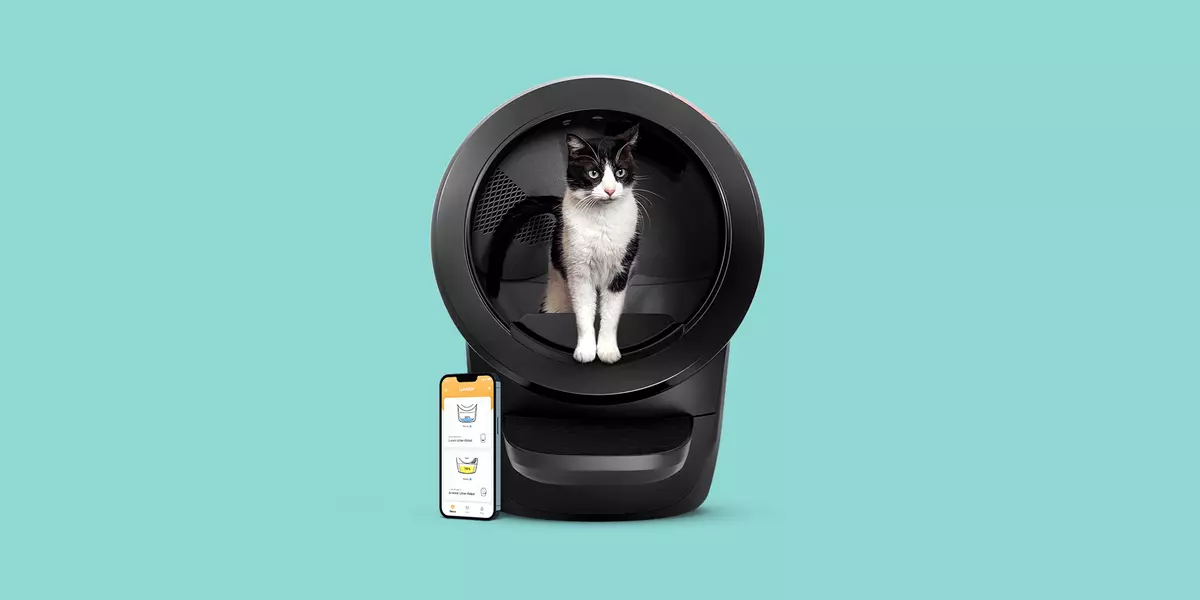
Automatic Cat Litter Box

Automatic Cat Litter Box

What are the Benefits of an Automatic Cat Litter Box?

What are the Benefits of an Automatic Cat Litter Box?

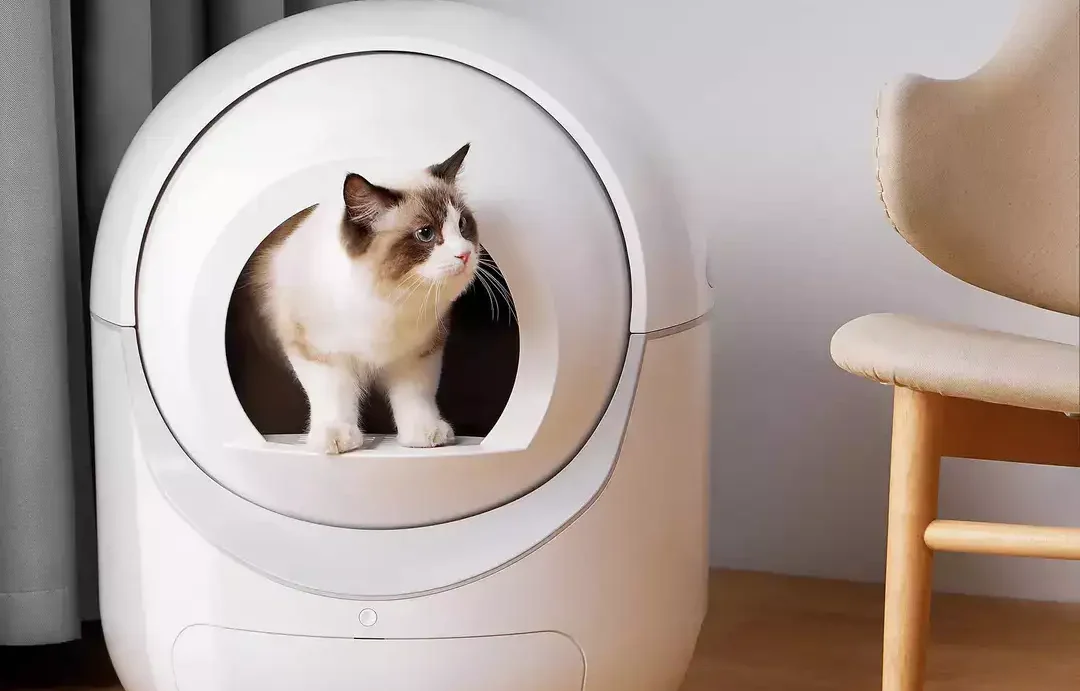
self cleaning best automatic cat litter box

How to Choose the Best Automatic Cat Litter Box for Your Furry Friend

a blog post featured image about How to Train Your Cat to Use an Automatic Cat Litter Box kitten

How to Train Your Cat to Use an Automatic Cat Litter Box

How to Stop Your Cat from Peeing Outside the Litter Box and How to Fix It

How to Stop Your Cat from Peeing Outside the Litter Box? and How to Fix It?

featured image for an article about The Best Automatic Cat Litter Box

The Best Automatic Cat Litter Box for Your Furry Friend

featured image for an article about How to Hide Your Cat's Litter Box with Furniture

How to Hide Your Cat’s Litter Box with Furniture

featured image for an article about clean litter box

The Ultimate Guide to Cleaning Your Cat’s Litter Box: Tips for Traditional and Automatic Litter Boxes

Why Is My Cat Not Using the Litter Box?

Why Is My Cat Not Using the Litter Box?

two steaks on a cutting board with herbs and spices

Can Cats Safely Enjoy Pork Rinds as a Treat?

grayscale photography of person holding cat and the cat bit her owner

Why Do Cats Bite? Reasons Behind This

orange and white cat on green grass - Why Do Cats Do That? Feline Behavior and Emotions

Why Do Cats Do That? Feline Behavior and Emotions

Why Do Cats Like Humans and Sleep With Their Owners: A Deep Dive Into Feline Affection and Trust

Why Do Cats Like Humans and Sleep With Their Owners? Do They Really Love Us?

a cat sitting on a blue blanket on a couch - Why Do Cats Loaf

Why Do Cats Loaf? Exploring the Cat Loaf Pose and Its Meaning

brown tabby cat lying on white textile - Discover the best wet cat food for weight loss options for 2025

10 Best wet cat food for weight loss 2025

Cute black and white kitten playing with a toy in a cozy indoor setting. how to play with cats.

How to Play with Cat: 10 Ways to Encourage Your Cat to Play

get rid of cat fleas instantly | Discover effective and safe methods to eliminate cat fleas quickly, including top treatments, natural remedies, and preventive measures that ensure your feline friend stays healthy and flea-free all year round.

How to Get Rid of Cat Fleas: Best 10 Practices

home remedies for cat fleas | Discover safe and natural home remedies to effectively eliminate cat fleas. Learn practical tips and proven methods to protect your furry friend and create a flea-free environment at home.

Best 10 Home Remedies for Cat Fleas: Safe and Effective

brown tabby cat in close up photography - older cat health problems

Older Cat Health Problems: A Comprehensive Guide

  • Home
  • Blog
  • About Us

© 2024 CatPeek by Hoodie Essentials

Welcome Back!

Login to your account below

Forgotten Password?

Retrieve your password

Please enter your username or email address to reset your password.

Log In
No Result
View All Result
  • About Us
  • Blog
  • Cat Care Tools
  • Cat Weight Calculator and Tracker
  • Home
  • Home – Español
  • Home – Français
  • Privacy Policy

© 2024 CatPeek by Hoodie Essentials

This website uses cookies. By continuing to use this website you are giving consent to cookies being used. Visit our Privacy and Cookie Policy.
Go to mobile version