
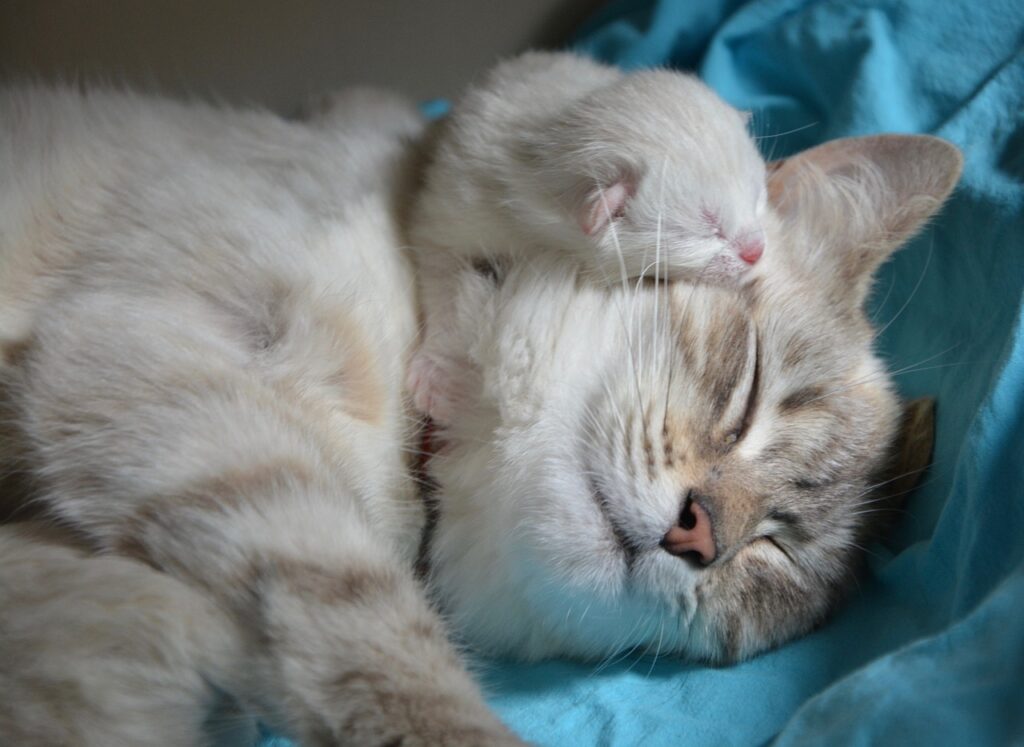
Kittens change significantly throughout their first year, experiencing rapid growth and reaching numerous behavioral milestones. But, do their personalities change too? Is it possible to predict a kitten’s personality as they grow into adults? Many believe that kittens inherit traits from their mother, but how accurate is that belief? Here, we’ll explore these fascinating aspects, helping you raise your kitten into a friendly, gentle adult.
The Ever-Evolving Kitten Personality
0–7 Weeks: The Foundation Stage


In their earliest weeks (0-7 weeks), kittens are primarily ruled by instinct. During this phase, they rely on their littermates and mother for socialization, which helps them practice and develop basic social skills.
Most kittens at this stage exhibit high energy and curiosity, traits that are typical and not necessarily indicative of their future personality. It’s essential to ensure positive experiences during this time, as negative or scary incidents can instill lasting fears. Socializing your kitten from an early age is crucial for healthy development.
7–12 Weeks: Exploring Independence
During the 7-12 weeks period, kittens start becoming more independent. They explore their surroundings more actively and often are separated from their mother and littermates. It’s vital to provide plenty of gentle handling and social interaction during this phase, helping them get accustomed to human touch and behavior.
Your interactions are critical in helping kittens understand appropriate behaviors, such as not biting during play. Regular play sessions also reinforce trust and confidence. Socialization with different people and environments helps kittens grow into well-rounded adults.
3–12 Months: Hormones and Maturation


At 3-12 months, kittens enter a phase of rapid physical growth, coupled with a surge in hormones as they reach sexual maturity around 6 months. This period can result in sudden changes in behavior: some become more cuddly, while others might grow more independent. Their inherent personality traits become more evident during this time.
Fixed cats tend to calm down around 12 months. If not, hormonal influences may persist, especially in larger cat breeds that mature slower. Although this phase can be challenging due to behavioral swings and high energy levels, it is temporary and leads to a more balanced adulthood.
It’s also important to consider the proper fostering care for kittens, ensuring they grow up healthy and well-adjusted.
Will Kittens Inherit Their Mother’s Personality?
It’s a common belief that kittens inherit their mother’s personality, and while there’s some truth to this, the reality is more complex. Kittens receive only half of their genetic makeup from their mother, with the other half coming from the father. This mix can result in a variety of traits, some unexpected.
Kittens also mimic their mother’s behavior in their initial weeks, which serves as crucial early socialization. However, factors like interactions with other animals, humans, and different environments also play significant roles. Thus, a kitten’s upbringing has a profound impact on their personality development.

This is why adopting from a quality breeder is crucial. Kittens that receive proper socialization from birth are much more adjusted to life. In contrast, kittens with minimal handling might grow up more timid.
Remember, each kitten is unique. Even kittens raised in the same environment or with the same genetics can develop vastly different personalities.
Recognizing Personality Development Stages
Kittens start showing hints of their personality around 2 weeks old when they begin interacting with their surroundings. However, it’s around 3 months when these traits become more pronounced. By 6 months, individual preferences and behaviors are more visible.
Understanding these stages helps in calming a scared cat and encouraging positive behavior. Kittens are highly energetic, and their personalities can still shift significantly until they settle into adulthood around 1 or 2 years of age.


For instance, an adventurous kitten at 6 months might turn into a cuddly adult cat. This period is critical for training and socialization, ensuring they grow into well-adjusted adults.
During these stages, ensuring your kitten’s health is equally important. Healthy kittens tend to develop more stable personalities.
Maximizing Positive Development
To ensure your kitten grows into a well-adjusted adult, focus on providing positive experiences and proper socialization. Here’s an in-depth look at what you can do:
Provide Enrichment
Playtime: Engage your kitten with diverse toys to stimulate their hunting instincts and keep them physically active. This not only aids their physical development but also helps in distinguishing high-energy play from calm and relaxed times.
Training: Basic training helps kittens understand boundaries. Teach them not to play-bite or scratch, encouraging gentle interactions instead.
Ensure Socialization
Human Interaction: Handle your kitten regularly and invite friends over to interact with them. This helps build their confidence and reduces fear of new people.
Other Animals: If possible, introduce your kitten to other household pets gradually, ensuring supervised and positive interactions.
Health Check-ups
Regular veterinary visits are crucial. These check-ups help in early detection of any potential health issues that could affect your kitten’s behavior. Maintaining good health ensures your kitten’s development into a confident and happy adult cat.
Common Personality Changes
As kittens grow, they typically calm down. By 2 years of age, many cats have developed a more laid-back personality. However, some might remain active and playful even as adults. Sudden personality changes in an adult cat might indicate health issues, so consult your vet if you notice drastic shifts in behavior.
Regular observation and adaptation to your kitten’s changing needs can help foster a positive environment. This continuous adaptation is essential for their overall well-being and personality development.
Conclusion
Understanding kitten development and personality formation is vital for raising a happy and well-adjusted cat. Kittens undergo numerous changes from birth to adulthood, influenced by genetics, upbringing, and environment. Early socialization, proper health care, and a loving environment are key to ensuring your kitten grows into a confident and friendly adult cat.