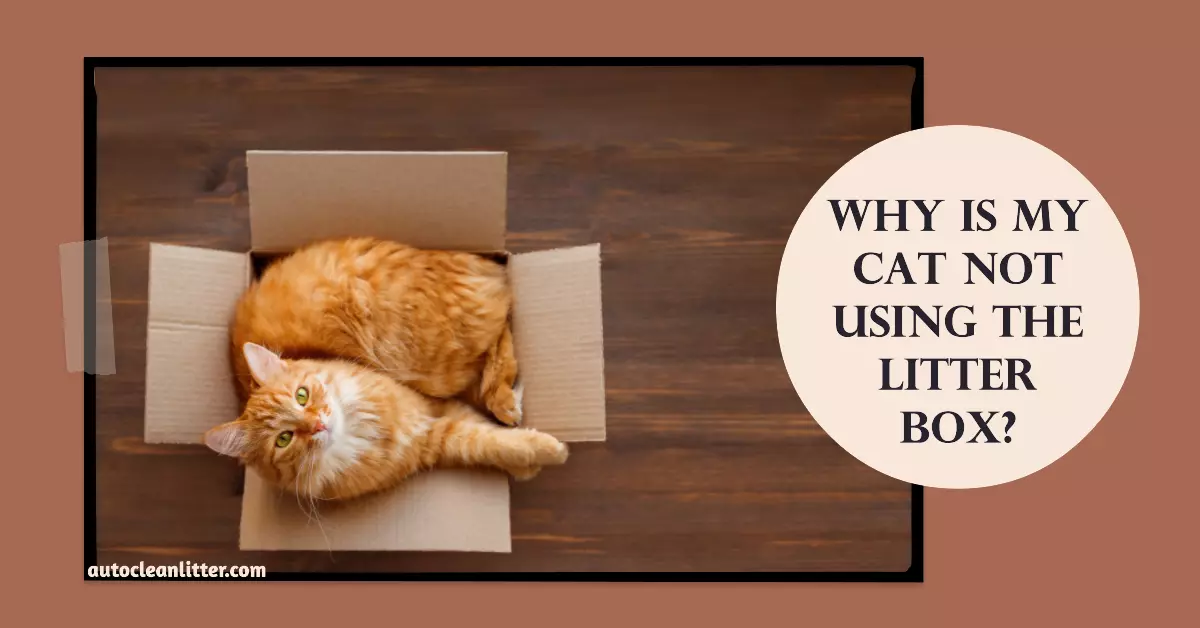
If you are a cat owner, you know how frustrating it can be when your furry friend decides to ignore the litter box and do their business elsewhere. Not only is this a messy and smelly problem, but it can also indicate that something is wrong with your cat’s health or happiness. In this article, we will explore some of the possible reasons why your cat is not using the litter box, and what you can do to solve this issue.
Medical Issues vs. Behavioral Mishaps: Litter Box Aversion

The first thing you should do if your cat is not using the litter box is to rule out any medical problems that might be causing them pain or discomfort. Some of the common medical conditions that can affect your cat’s litter box habits are:
- Urinary tract infections (UTIs): These can cause your cat to feel a burning sensation when they urinate, and make them associate the litter box with pain. They might also urinate more frequently or in small amounts and sometimes have blood in their urine.
- Kidney stones or bladder stones: These are hard deposits that form in your cat’s urinary system, and can block the flow of urine or irritate the bladder. They can cause similar symptoms as UTIs and sometimes require surgery to remove them.
- Diabetes: This is a condition that affects your cat’s ability to regulate their blood sugar levels, and can make them drink more water and urinate more often. They might also lose weight, have a poor appetite, or show signs of weakness or lethargy.
- Arthritis: This is a degenerative joint disease that causes inflammation and pain in your cat’s joints, especially as they age. It can make it difficult for your cat to climb into or out of the litter box, or to squat comfortably while urinating or defecating.
- Constipation: This is when your cat has difficulty passing stools, or passes them less frequently or in smaller amounts. It can be caused by dehydration, lack of fiber, hairballs, or other factors. It can make your cat feel bloated, uncomfortable, or painful when they try to use the litter box.
Top reasons why your cat is not using the litter box

If your cat does not have any medical problems, then the litter box problem might be behavioral. This means that your cat is unhappy with something related to the litter box or its environment. Some of the most common behavioral causes are:
Dirty litter box
Cats are very clean animals and they prefer a clean toilet. If the litter box is not scooped regularly or changed frequently, your cat may avoid it and look for a cleaner spot. You should scoop the litter box at least once a day and change the litter completely every week or two.
Scented litter
Cats have a very sensitive sense of smell and they may dislike some scents in their litter. Some cats may prefer unscented litter or natural materials like wood pellets or corn. You may need to experiment with different types of litter until you find one that your cat likes.
Litter type
Cats may also have preferences for the texture and size of their litter. Some cats may like a fine-grained clumping litter, while others may prefer larger crystals or pellets. Again, you may need to try different options until you find one that suits your cat.
Multiple cats
If you have more than one cat in your household, they may not like sharing the same litter box. Cats are territorial animals and they may feel stressed or threatened by another cat’s scent in their toilet. You should provide one litter box per cat plus one extra, and place them in different locations around the house.
Ease of access
Your cat may have trouble reaching the litter box if it is too high, too low, too far away, or blocked by obstacles. You should make sure that your cat can easily access the litter box at all times, especially if your cat is old, young, or disabled. You may also need to provide more than one litter box in different rooms.
Privacy
Your cat may feel exposed or vulnerable when using the litter box if it is in a noisy, busy, or bright area. Cats like some privacy and security when they do their business. You should place the litter box in a quiet, dark, and secluded spot where your cat can relax.
Changes in the home
Your cat may stop using the litter box if there are changes in its environment that make it feel stressed or anxious. This can include moving to a new house, adding or losing family members or pets, changing furniture or routines, or having visitors. You should try to minimize these changes as much as possible and provide your cat with extra attention and comfort.
Claustrophobia
Your cat may feel trapped or confined when using a covered or hooded litter box. Some cats may prefer an open litter box where they can see their surroundings and escape easily if needed. You may need to remove the cover or hood from your cat’s litter box or offer both options.
Litter box location

Your cat may not like the location of the litter box if it is too close to its food, water, bed, or toys. Cats do not like to mix their eating, sleeping, and eliminating areas. You should place the litter box away from these areas and in a separate room if possible.
Litter box size
Your cat may not fit comfortably in the litter box if it is too small or too shallow. Cats need enough space to turn around, dig, and cover their waste. You should choose a litter box that is large enough for your cat and has high sides to prevent spillage.
Litter Box Solutions
If you have identified and addressed the possible causes of your cat’s litter box problem, you may see some improvement in its behavior. However, some cats may need more help to relearn their litter box habits. Here are some possible solutions that you can try:
Upgrading to a self-cleaning litter box
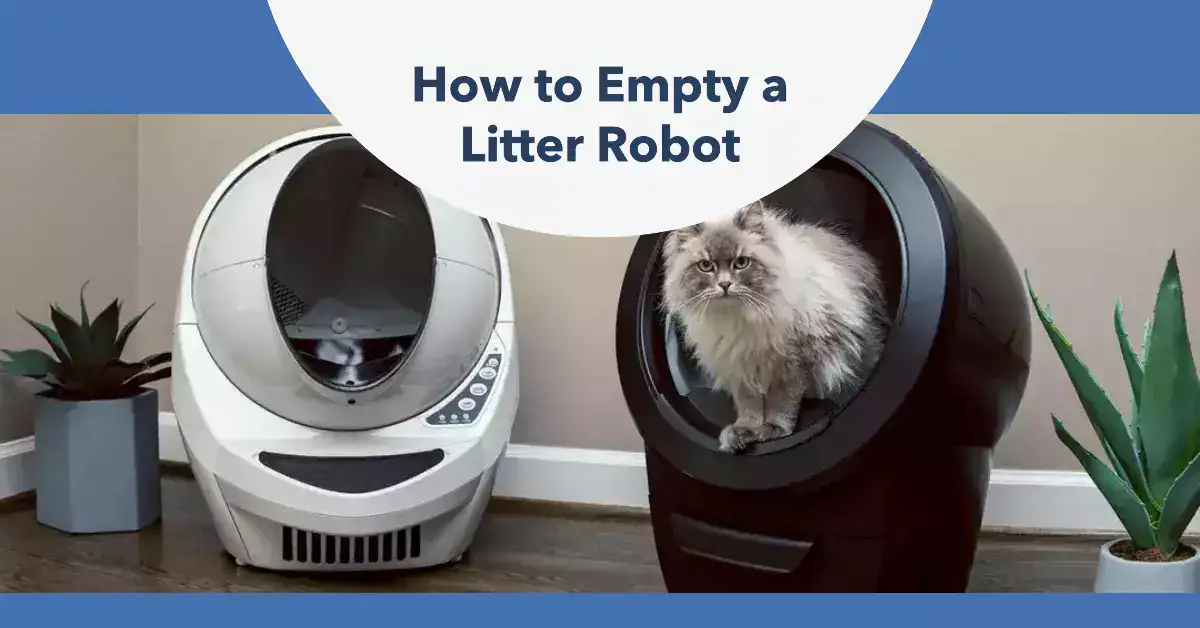
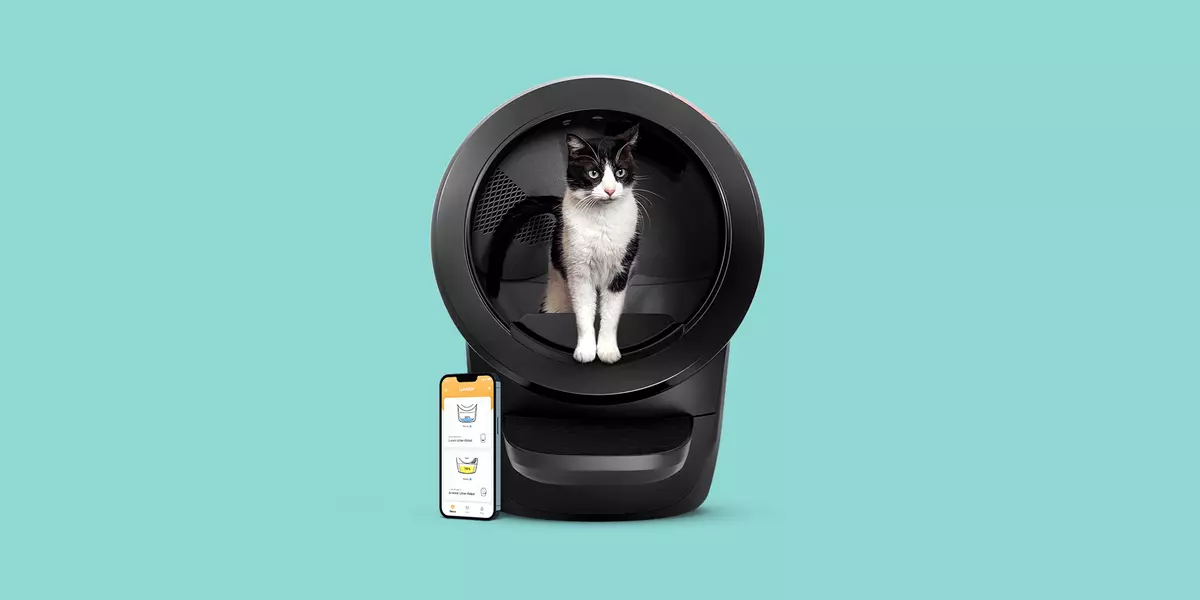
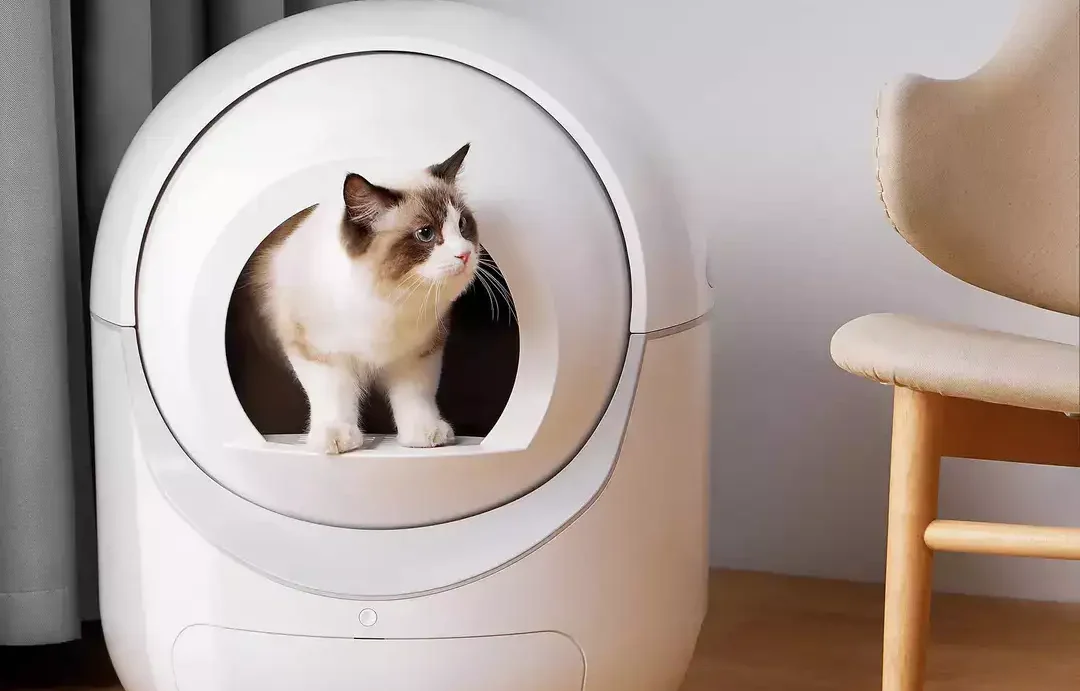
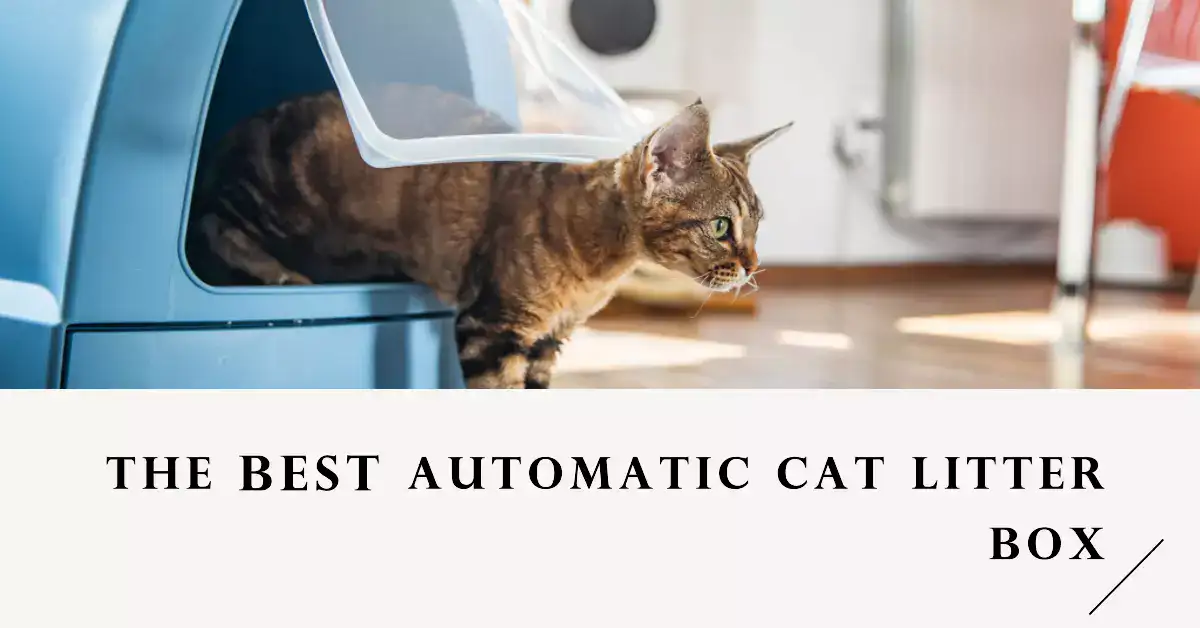
A self-cleaning litter box is a device that automatically scoops or flushes the waste after your cat uses it. This can keep the litter box clean and fresh at all times, which may encourage your cat to use it more often. A self-cleaning litter box can also save you time and hassle from scooping and changing the litter manually.
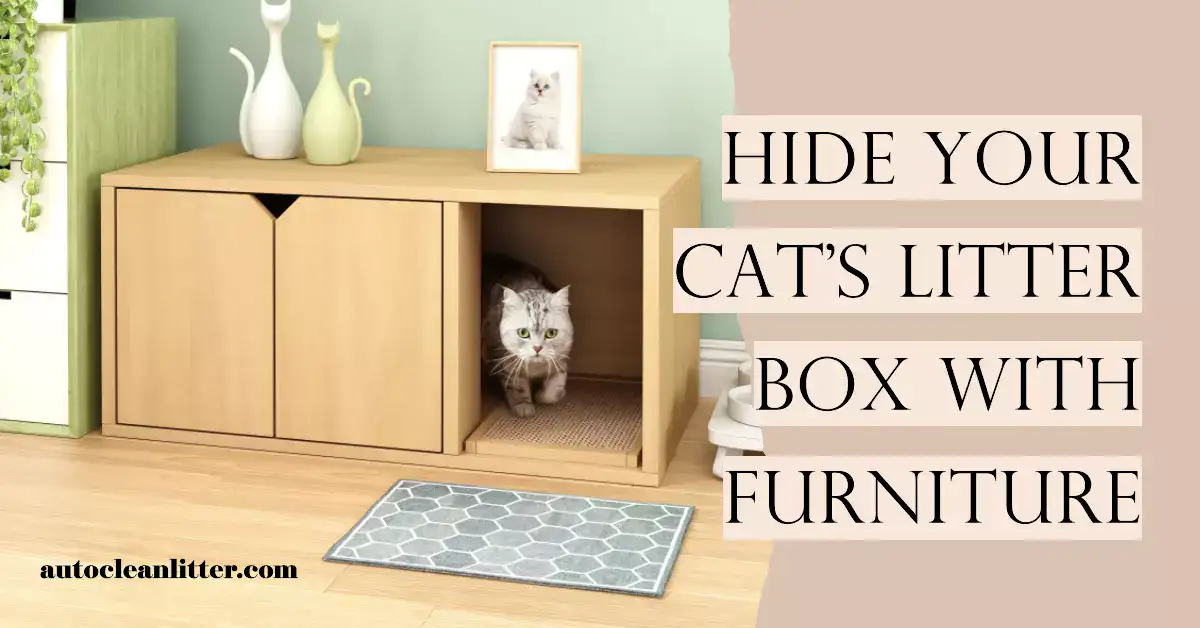
There are many types of self-cleaning litter boxes available on the market, such as automatic cat litter boxes, hidden litter box furniture, or clean litter boxes. You can choose one that suits your budget, space, and preferences. However, you should also keep a regular litter box as a backup in case your cat does not like the self-cleaning one or it malfunctions.
Having multiple litter boxes

As mentioned earlier, having multiple litter boxes can prevent conflicts and competition among multiple cats. It can also give your cat more options and convenience when it needs to go. You should have at least one litter box per cat plus one extra, and place them in different rooms or floors of your house.
However, having multiple litter boxes also means more cleaning and maintenance. You should scoop each litter box daily and change the litter regularly. You should also avoid placing the litter boxes too close together or in a row, as this can create a territorial barrier for some cats.
Using natural clay-clumping litter
Natural clay-clumping litter is a type of litter that forms solid clumps when wet. This makes it easy to scoop and remove the waste without changing the entire litter. It also helps to control odor and moisture, which can make the litter box more appealing to your cat.
Natural clay-clumping litter is made from natural ingredients like bentonite clay, corn, wheat, or wood. It does not contain any artificial fragrances, chemicals, or additives that may irritate your cat’s skin or respiratory system. It is also biodegradable and eco-friendly.
However, natural clay-clumping litter can also have some drawbacks. It can be dusty, which can cause allergies or asthma in some cats or humans. It can also be heavy, which can make it difficult to carry or dispose of. It can also be expensive compared to other types of litter.
Providing privacy with cat furniture
Cat furniture is a term that refers to any items that provide comfort, entertainment, or enrichment for your cat. This can include scratching posts, tunnels, beds, hammocks, shelves, or trees. Cat furniture can also provide privacy and security for your cat when using the litter box.
You can place some cat furniture near the litter box to create a cozy and secluded spot for your cat. This can make your cat feel more relaxed and confident when doing its business. You can also use cat furniture to block any unwanted views or noises that may distract or disturb your cat.
However, you should also make sure that the cat’s furniture does not interfere with your cat’s access to the litter box. You should leave enough space for your cat to enter and exit the litter box easily. You should also avoid placing any food, water, or toys near the litter box area.
Seeking Professional Help

If none of these solutions work for your cat, or if your cat’s litter box aversion is severe or persistent, you should seek professional help from a veterinarian or a cat behaviorist. They can help you diagnose any underlying medical problems that might be affecting your cat’s litter box habits, or prescribe any medication or supplements that might help. They can also help you understand your cat’s personality and preferences better, and suggest any modifications or training techniques that might improve their behavior.
Litter box aversion is a common problem among cats, but it can be solved with some patience and understanding. By providing your cat with a clean, comfortable, and convenient litter box that meets their needs and preferences, you can help them enjoy using it again.