
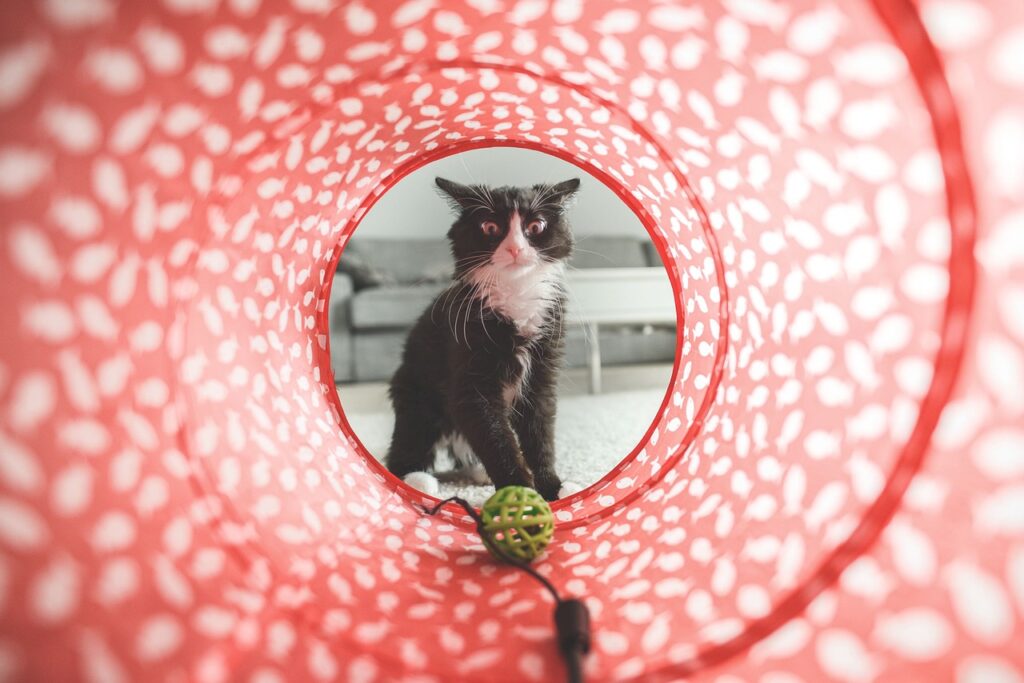
Cats are fascinating creatures with quirky behaviors that often leave their owners puzzled. One such behavior is hiding their toys or other objects. Whether they’re tucking their favorite playthings under the couch or stashing them in hidden corners, this practice is more than just a playful habit—it’s deeply rooted in feline instincts. Understanding why cats hide their toys can offer insights into their mysterious behavior and help you bond better with your furry friend.


The 3 Reasons Your Cats Hide Things
Cats hide things for various reasons that are often linked to their instinctual behaviors. Here are the primary reasons your feline friend might be stashing away toys or other items:
They Want to Protect Their Belongings
When a cat hides its favorite toys, it’s usually an attempt to keep them safe. This doesn’t necessarily mean they don’t trust you; it’s simply a way for them to ensure that their prized possessions are not easily accessible to others. Sometimes, if they feel threatened or intimidated by another pet or family member, this behavior becomes more pronounced.
To Hide Their Scent
In the wild, hiding their scent is a survival tactic for cats. By stashing objects away, they can mask their presence from predators and avoid detection by prey. In your home, this instinct might translate into hiding toys or other items to practice scent concealment.


Refining Their Hunting Skills
Even though domestic cats don’t need to hunt for their food, they still retain their predatory instincts. Hiding toys gives them an opportunity to practice hunting and enhances their mental and physical stimulation. This activity helps keep them engaged and can even relieve boredom.
Hiding Things vs. Hiding Themselves
It’s crucial to differentiate between a cat hiding objects and a cat hiding itself. When cats stash away items, it’s usually due to one of the reasons mentioned above. However, if a cat frequently hides itself, it could indicate that something is wrong.
Cats that spend a lot of time in hiding might be experiencing anxiety, fear, or illness. Creating a safe space and allowing them to come out on their terms is essential. If your cat continues to hide and isn’t acting like its usual self, it’s wise to consult a vet to rule out any health issues.


Common Places Cats Hide Things
If your cat starts hiding your belongings, it helps to know their common hiding spots. Below are a few typical areas where cats love to stash their treasures:
Behind or Below Things: Sometimes, your cat isn’t deliberately hiding items but merely knocking them behind furniture or appliances, making them hard to find.
Under the Bed: Under the bed offers ample space that’s out of the way and often not disturbed by humans, making it a favorite hiding place for cats.
In the Closet: Cats love closets because they’re secluded and filled with cozy nooks. If your cat has a tendency to hide things, start by checking the closet.
Inside Shoes: Small items often end up in shoes. If you’re looking for a misplaced toy or object, make sure to check your footwear.
Couch Cushions: Couch cushions are notorious for swallowing up remote controls and other small items, and they’re also a common hiding spot for cats.
Cabinets: If you leave a cabinet slightly open, your cat might interpret it as an invitation to stash away some of their prized possessions inside.
Preventing and Managing This Behavior
While you may find your cat’s hiding habits amusing, it can become problematic if they start hiding essential items. Here are some ways to manage and mitigate this behavior:
Provide Enrichment Activities
Ensure your cat has plenty of toys and activities to keep them engaged. Interactive toys, puzzle feeders, and regular playtime can reduce the likelihood of them hiding important items.
Secure Important Items
Keep valuable or frequently used items in secure locations to prevent your cat from accessing and hiding them. This includes car keys, remote controls, and other small objects they might find interesting.
Regularly Check Common Hiding Spots
Familiarize yourself with your cat’s favorite hiding spots and regularly check these areas for missing items. This habit can save you time and minimize frustration when searching for something important.
Conclusion
Understanding why cats hide their toys helps decode some of their mysterious behavior. By recognizing that this habit is rooted in their natural instincts, you can better manage it and even appreciate the quirky, delightful side of your feline companion. Provide ample enrichment, secure your valuable items, and regularly check common hiding spots to ensure a harmonious relationship with your stealthy pet.