
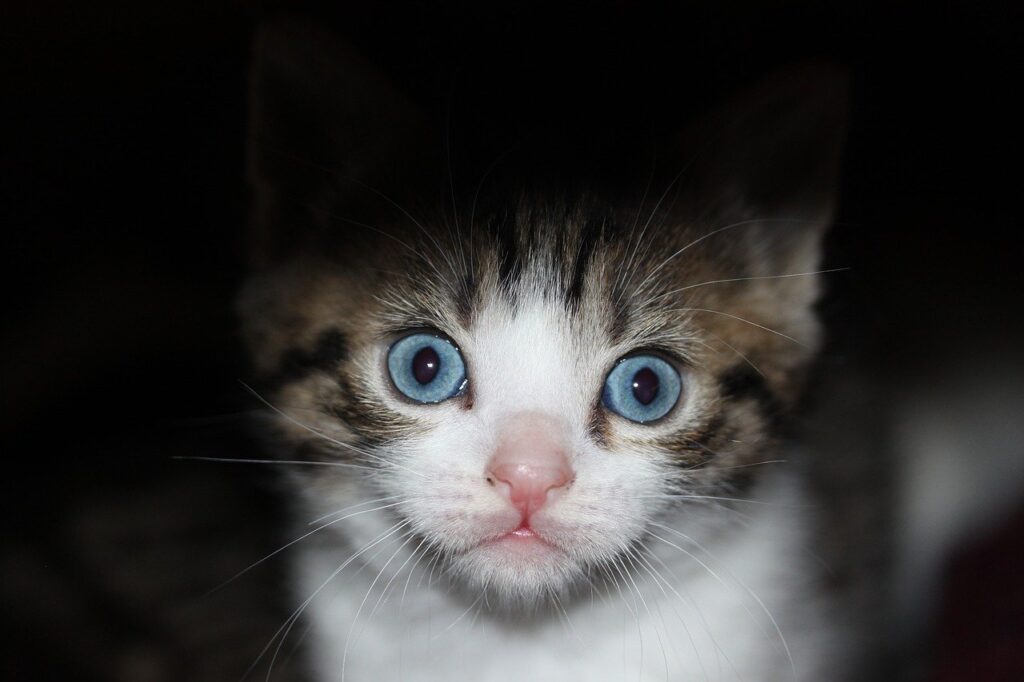
Bringing a new kitten into your home is an exciting experience, but it’s essential to be aware of the potential household dangers that could put your little furball at risk. Let’s dive into four common hazards for kittens and how you can safeguard your home against them.
1. Hidden Dangers of Electrical Cords
Kittens are naturally curious creatures, and that curiosity often leads them to explore and chew on electrical cords. This practice can result in electric shocks or even burning their mouth. Here’s how you can prevent such accidents:
Secure and Cover Cords
Use cord covers or split tubing to encase electrical cords, making them less enticing and safer for your kitten.
Organize and Elevate Cords
Keep cords organized and elevate them off the ground where your kitten can’t reach them. Consider using furniture to block access.
To understand how some people address pet-related challenges creatively, you might find it interesting to read about why some people secretly consume pet food. It offers a unique perspective on pet ownership.
2. Choking Hazards from Small Objects
Kittens love to pounce on small objects that they can bat around, but these can become choking hazards. Items such as buttons, rubber bands, and small toys should be kept out of reach. Follow these tips to minimize choking risks:
Kitten-Proof Your Home
Do a thorough sweep of your home for any small items that could potentially be swallowed. Store these items in drawers or containers.
Opt for Cat-Safe Toys
Choose toys specifically designed for cats that are too large to swallow and do not have small, detachable parts.
If you’re interested in the behavioral aspects of cats, you might read about the science behind why cats knead. It provides excellent insight into feline behaviors.
3. Toxic Household Plants
Many common household plants can be toxic to cats. Plants such as lilies, aloe vera, and philodendrons can cause severe reactions if ingested. Here’s how to keep your kitten safe:
Identify and Remove Toxic Plants
Research and identify any plants in your home that are toxic to cats. Remove these plants or place them in areas your kitten cannot access.
Choose Cat-Safe Plants
Consider adding non-toxic plants to your home, such as catnip, which is safe and enjoyable for your feline friend.
To further safeguard your kitten, learn more about preventive care tips for every pet owner. A proactive approach can ensure long-term health and safety for your pet.
4. Dangerous Human Foods
Foods that are harmless to humans can be deadly to cats. Items like chocolate, onions, garlic, and alcohol are toxic to felines. Follow these strategies to keep dangerous foods away from your kitten:
Secure Your Pantry
Make sure kitchen cabinets and pantry doors are well-secured, preventing curious kittens from accessing harmful foods.
Educate Your Household
Ensure that everyone in the household, including children, is aware of the foods that are harmful to cats and the importance of keeping these foods out of reach.
For more on maintaining a healthy diet for your kitten, consider reading about essential nutrition and feeding guidelines for cats. Proper diet plays a critical role in your kitten’s overall health.
Additional Tips to Kitten-Proof Your Home
Use Childproof Locks
Applying childproof locks to cabinets and drawers is another great way to limit your kitten’s access to potential hazards.
Keep Doors Closed
Ensure that doors to rooms with potential dangers, such as bathrooms and garages, are always closed.
Regularly Update Safety Measures
As your kitten grows, regularly update your safety measures to keep up with their increased mobility and curiosity.
Ensuring the safety of your new kitten is crucial for their well-being and your peace of mind. By taking these proactive steps, you can create a safe environment where your kitten can thrive.
For more comprehensive advice on cat preventive care, be sure to check out tips explained by veterinarians. Staying informed can make a significant difference in your pet’s life.
If you found this information useful, you might also enjoy learning how to protect your indoor cat from fleas. Flea prevention is essential to keep your cat healthy and comfortable.