
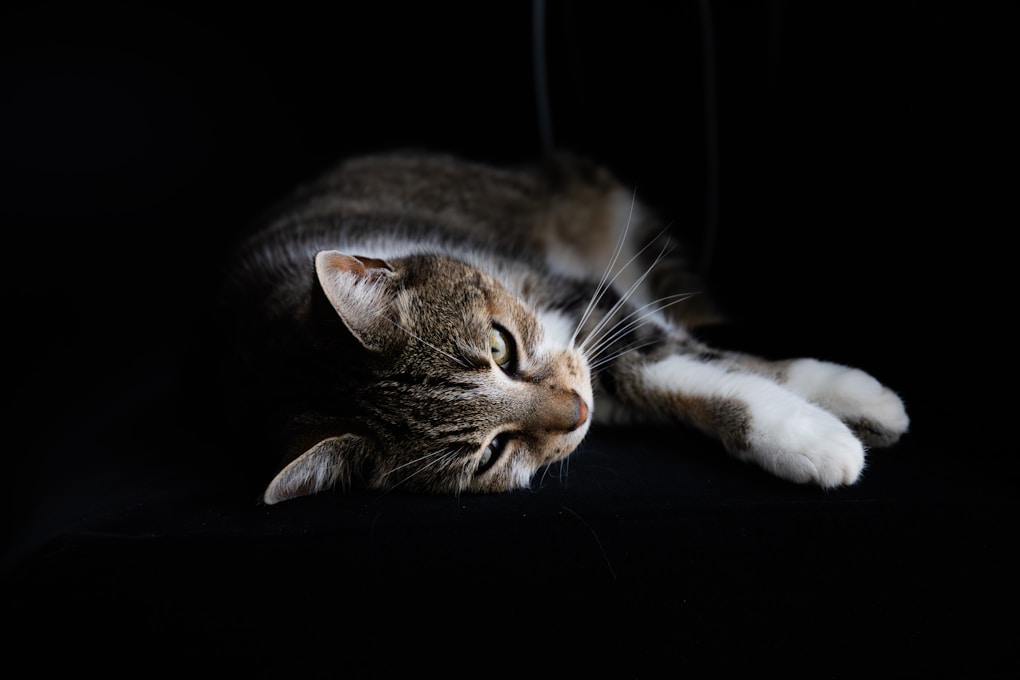
Separation anxiety in cats is a significant concern for many pet owners, often leading to stress for both cats and their humans. While we often associate anxiety with dogs, felines can also experience intense distress when left alone. Understanding why this happens and how to address it is essential for promoting a harmonious home environment. Separation anxiety can manifest in multiple ways, from destruction of household items to excessive vocalization, and these behaviors are usually rooted in stress and discomfort. To effectively help a cat with separation anxiety, recognizing the triggers and implementing a structured approach is vital.
Understanding Separation Anxiety in Cats

Separation anxiety in cats grows from their natural instincts as social creatures. Unlike other pets, cats can mask their distress, leading owners to overlook the signs until problems escalate. Understanding the causes of this anxiety requires a deep dive into feline behavior and psychology.
The Roots of Feline Separation Anxiety
Several factors can contribute to a cat developing separation anxiety. These may include:
1. Change in Environment: Cats thrive on routine. Changes such as moving to a new home, the introduction of new pets or family members, or even minor shifts in their daily schedule can induce stress.
2. Previous Trauma: Cats with a history of abandonment or traumatic experiences, such as being in shelters or being rehomed, are more susceptible to developing anxiety when left alone.
3. Lack of Socialization: Cats who have not been exposed to varied environments or experiences may feel insecure and anxious when left on their own.
4. Bonding Issues: Cats who have formed a strong attachment to their owners may struggle with separation. This close bond can intensify feelings of abandonment when separated.
Common Signs of Separation Anxiety
Recognizing separation anxiety is the first step in addressing it. Some common signs include:
– Excessive meowing or vocalization when left alone
– Destructive behavior, like scratching furniture or knocking things over
– Urinating or defecating outside the litter box
– Pacing or restlessness
– Aggression towards owners upon return
– Over-attachment, following the owner around or being overly needy
Implementing Solutions for Feline Separation Anxiety

Addressing separation anxiety requires a comprehensive strategy that incorporates understanding the behavior, creating an optimal environment, and providing support through various methods.
Creating a Safe Space
It is crucial to establish a safe and comfortable environment for your cat. This can include:
– Providing a cozy bed or designated area where they feel secure.
– Utilizing enriching toys that stimulate their minds, such as puzzle feeders or interactive toys to engage them even when alone.
– Ensuring their environment is free from stressors, such as loud noises or unfamiliar sights that may induce anxiety.
Gradual Desensitization
Slowly training your cat to become comfortable with being alone is effective. Gradual desensitization involves:
– Starting with short absences and slowly increasing the duration over time, helping the cat understand that the owner will eventually return.
– Remaining calm during arrivals and departures to avoid reinforcing anxious behaviors.
Utilizing Feline Comfort Products
You can find various products that may help alleviate anxiety in your cat. Consider Feliway diffusers or sprays, which release synthetic pheromones that can create a calming environment. Additionally, anxiety collars infused with calming scents may help reduce signs of distress.
Consulting a Veterinarian
If these strategies fail to provide relief, it is advisable to consult a veterinarian. They can suggest behavioral therapy or medication options tailored to your cat’s needs. For additional resources regarding pet insurance, a veterinarian can also guide how to secure coverage for these treatments.
Preventing Future Anxiety


Prevention is always the best strategy. To help keep anxiety at bay in the long run:
– Ensure regular socialization with different people and pets.
– Provide consistent routines around feeding and playtime.
– Set up an environment that is safe and enriches their lives with toys and interactive elements.
Understanding feline behavior and the factors that contribute to anxiety is essential to preventing this condition. By being attentive to their needs and potential stressors, you can cultivate a calming atmosphere that reduces the likelihood of separation-related distress.
Conclusion
Separation anxiety in cats is a critical issue that can impact their happiness and well-being. By understanding the underlying causes, recognizing the signs, and implementing a comprehensive strategy, owners can help ease their feline friends’ anxiety. Remember that patience and consistency are key components of any strategy addressing separation anxiety. Ultimately, a secure and enriched environment coupled with gradual exposure to solitude will help foster a sense of independence within your cat. For further guidance on optimal cat care practices, refer to additional resources on cat behavior and wellness.