Cats are known for their graceful mystery and playful natures, but engaging them in play can sometimes be a challenge. As a cat owner, understanding how to play with cats and how to effectively encourage your cat to play is key to keeping them stimulated and satisfied. Being active and playful isn’t just fun for your cat—it’s an important part of their natural instincts, and it can be highly beneficial for both your cat and you.
Introduction

Why Playing with Your Cat is Important
Cats are natural-born hunters. Playtime is not merely an activity; it is an essential part of a cat’s routine, mimicking the hunt they would naturally engage in if they were in the wild. This hunting simulation fulfills their instinctual needs and provides mental and physical exercise, which is vital for maintaining a healthy, balanced lifestyle. Don’t be discouraged if your cat doesn’t seem interested at first—learning what appeals to their preferences takes time and observation.
Benefits of Play for Both You and Your Cat
The benefits of playing with your cat are abundant. For one, it strengthens the bond between you and your pet, creating an affectionate relationship built on trust and positive interactions. Moreover, engaging in play helps prevent boredom and discourages destructive behaviors, like scratching furniture, which tend to arise when a cat is under-stimulated. For humans, the joy and laughter brought about by a playful cat are tremendous, enhancing overall well-being and creating happy, lasting memories with your pet.
Understanding Your Cat’s Play Style

Different Types of Play Behavior
Cats exhibit a multitude of play styles and behaviors, each unique to their personality and preferences. Some cats enjoy chasing after objects, while others prefer batting at dangling toys or pouncing on moving targets. Recognizing and adapting to these behaviors is key. Choosing the right toys that mimic natural prey can entice even the most reluctant feline to engage in play.
How to Recognize Your Cat’s Play Preferences
Paying close attention to your cat’s cues can help you discern their play style. Observe what toys or activities they gravitate towards and notice their reactions during play sessions. Are they more active with feather wands or do they prefer the thrill of laser pointers? Adjust your play approach based on these observations to optimize playtime and ensure satisfaction for both parties involved.
The Hunt Cycle: A Cat’s Natural Play Instinct

Finding Prey
Understanding the hunting cycle is fundamental to connecting with your cat’s innate hunting instincts. The cycle begins with finding prey, which you can simulate by introducing toys strategically placed around your home. This can spark curiosity and kickstart the play session, drawing on your cat’s natural curiosity and investigative tendencies.
Stalking and Plotting
The stalking phase is crucial and often misinterpreted as disinterest. Cats may appear still, calculating their move while observing their “prey.” Providing opportunities to hide or slink around furniture and objects can mimic real stalking behavior, enhancing the play experience. Remember, patience is key—let your cat take their time to plot their next move.
Chasing and Catching
Once your cat is engaged, they will transition to chasing their prey. This part of the cycle is dynamic and exhilarating, involving quick dashes and agile maneuvers. It’s beneficial to use toys that move unpredictably to simulate a real hunt. When your cat successfully pounces and catches the “prey,” it fulfills a significant aspect of their natural drive.
Dispatching the Prey (Mimicking the “Kill” Phase)
After the catch, cats will often hold and ‘dispatch’ their prey. During play, allow them the satisfaction of playing with a captured toy. You can simulate this phase by permitting a bit of rough-and-tumble with the toy, which makes the play session complete from their perspective.
Engaging in Post-Play Activities (Treats or Meals)
To mirror the end of a successful hunt, rewarding your cat with a treat or a meal can provide closure. This not only signals the end of play but also reinforces the behaviors you want to see repeated in future sessions. Engaging them in food-related activities post-play enhances their satisfaction and simulates the real-life wind-down from a hunting excursion.
How to Play with Cats Using Toys

Playing with cats isn’t just about the pursuit of entertainment for your feline friend; it’s a critical component of their physical and mental well-being. Toys are essential in mimicking the hunt, allowing them to express their natural predatory instincts. This section explores how you can choose and use toys to engage your cat efficiently.
Choosing the right toys for your cat
Every cat is different, and selecting the right toy is crucial for making playtime enjoyable. Cats often prefer toys that resemble their natural prey, such as mice or birds. Look for toys that are size-appropriate and easy for your cat to bat around. Consider reading our detailed guide on choosing the best cat toys to make informed decisions.
Interactive toys vs. solo toys
Interactive toys offer reciprocal play between the cat and its human, making for a rich play experience. Toys like wands and feathers engage your cat’s hunting instincts and require your involvement. Solo toys, such as balls or stuffed mice, can keep your cat entertained when they are alone.
How to move toys to mimic prey

To mimic a hunt, the movement of a toy should be as unpredictable as a real prey animal. Sweep a wand toy across the floor and dart it in different directions. Try moving toys over cushions or around corners to simulate a prey’s evasive maneuvers.
Varying your playstyle with different toys
Keeping play varied is essential in maintaining your cat’s interest. Alternate between toys that mimic flying, burrowing, or scurrying prey. Cats appreciate novelty, so switch up toys and techniques to keep them engaged. Learn more about maintaining cats’ hunting instincts effectively.
Engage All Senses During Play

To enrich playtime further, consider engaging multiple senses. Combining sight, sound, and smell can pique your cat’s interest and create a stimulating environment.
Using catnip and other scents
Catnip can be an exciting addition to any play session. Sprinkling it onto toys or placing it in a small bag can elevate the play experience. Alternatively, use valerian or silver vine as other aromatic stimulants.
Incorporating sounds and movement
Sound can be an enticing element in capturing a cat’s attention. Toys with bells or crackling paper can simulate the noise of rustling leaves or small prey, adding realism to their play. You can find such sound-based toys at many pet stores.
Engaging your cat’s curiosity with boxes and tunnels
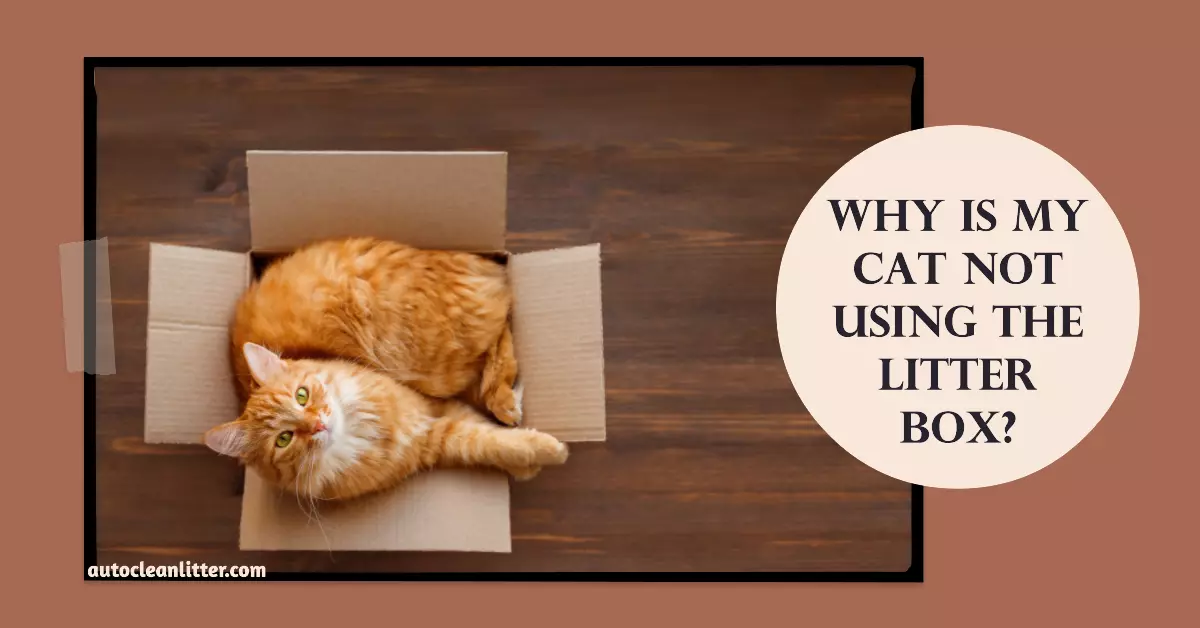
Cats are naturally curious and love exploring confined spaces. A simple box or tunnel can become a wonderland of investigation and play. Check out why cats love boxes and discover ways to incorporate them into play.
Keep Playtime Fresh and Exciting

Keeping playtime vibrant and enticing means avoiding monotony by introducing novelty. Cats are intelligent creatures, so ensure their toys don’t become dull by rotating them regularly.
Rotating toys to prevent boredom
Having an assortment of toys and rotating them weekly can keep your cat’s interest alive. Put some toys away and reintroduce them later to renew your cat’s interest as if they’re new. This keeps engagement levels high and prevents playtime from becoming mundane.
Trying new play techniques regularly
Switching up the ways you play – from ‘chase’ games to ‘stalk and pounce’ activities – ensures that your cat never knows what to expect. It keeps their instincts sharp and their minds enriched. Experimenting with homemade puzzles can be particularly engaging.
Recognizing when your cat has had enough
Learning to identify when your cat has reached their limit is crucial. If they start losing interest or display signs of overstimulation, such as agitation or hissing, it’s time to conclude the play session. Understand how to read their energy levels effectively.
Timing Play Sessions for Maximum Fun

Understanding when to play is just as important as knowing how to play. Cats are crepuscular creatures, meaning they are most active during dawn and dusk. Aligning play sessions with their natural energy peaks can enhance the play experience.
Ideal times to play with your cat
Targeting play sessions in the early morning or late evening can coincide with their natural hunting instincts. These are ideal times when your feline is naturally inclined to be more active and interactive.
How to read your cat’s energy levels
Observing your cat will help you learn their unique energy patterns. Cats often signal play readiness with signs like tail twitches, wide pupils, or playful antics. Acting upon these cues ensures you’re playing at times most enjoyable for them.
Avoiding playtime during inappropriate moments
Choose playtimes that complement your schedule but also align with your cat’s energetic peaks to maximize enjoyment and physical exertion.
How to Play with a Cat Without Toys

Not every play session requires fancy toys. Everyday household items can transform into fun tools for imaginative play. Here, we delve into creating exciting play using simple items from around your home.
Using household items for interactive play
String, shoelaces, and hair ties
Household items like strings, shoelaces, or hair ties can be as captivating as commercial toys. Drag them across the floor in swift motions to imitate prey and watch as your cat engages with instinctual fervor.
Crumpled paper balls
Something as simple as a crumpled piece of paper can spark your cat’s curiosity. Toss it across the room and observe as your cat enjoys chasing something new. Paper balls provide endless entertainment and don’t cost a dime.
Homemade puzzle games
Homemade puzzle games can stimulate a cat’s mind, making playtime educational as well as fun. You can create these with empty toilet rolls and tape to hide treats, encouraging your cat to use problem-solving skills.
Using your hands (safely)
While hands-on play can be intimate, always use a toy or rod to keep some distance. This ensures safety for both you and your feline friend.
Exploring the environment: hiding treats or objects
Engage your cat’s keen sense of smell by hiding treats around the house. It creates a scavenger hunt that satisfies their hunting instinct. Periodically changing locations, keeps this activity exciting and mentally stimulating for your cat.
By blending creativity with playtime practices, you can ensure your cat stays mentally and physically active, catering to their curious and complex nature while strengthening the bond you share.
How to Encourage Your Cat to Play More

Building a Play Routine
Creating a regular play routine is key in encouraging your cat to engage more enthusiastically. Like humans, cats thrive on routine. By scheduling playtime at consistent intervals, you allow your cat to look forward to these moments. An ideal play routine can be akin to the cat’s natural hunting times at dawn and dusk.
Some cat owners find using a variety of toys, such as the acclaimed Cat Dancer, effective for stimulating different facets of a cat’s instinct to hunt and play.
Creating a Stimulating Environment
A stimulating environment is one where a cat’s instincts and curiosities are naturally activated. Ensuring rich sensory landscapes through textures, sounds, and smells will keep their playtime fresh. Consider integrating play tunnels, boxes, or bags into your home to fulfill your cat’s love for exploration and ambush games.
Using Food Rewards to Motivate Play
Food rewards can be a great motivational tool in your cat’s play regime. After a session of intense play, offering a nutritious treat can mimic the satisfaction of a successful hunt. This positive reinforcement helps your cat associate play with reward.
Gradually Increasing Playtime as Your Cat Becomes More Engaged
As your cat becomes more interested in play, you can slowly increase the duration of these sessions. Start with short, 5-minute playtimes and build up to 15-20 minutes as your cat’s confidence and enthusiasm grow. This gradual extension prevents overwhelm and keeps the activity enjoyable.
Understanding Your Cat’s Mood and Play Preferences
Understanding your cat’s mood and play preferences can exponentially improve playtime quality. Observe your feline friends to discern when they’re most receptive to play, and tailor activities to align with their preferences. Some cats might prefer the thrill of chasing a string, while others engage more with plush toys they can kick and grasp.
Conclusion

In conclusion, incorporating these methods can transform your cat’s playtime into a fulfilling and bonding experience. A play routine rooted in your cat’s natural behaviors, alongside an engaging environment and appropriate rewards, encourages your feline friend to get the most out of play sessions.
Maintaining consistent play not only ensures a happy and healthy cat but also strengthens your pet-owner relationship. Remember, the key is understanding and adapting to your cat’s unique needs and preferences.