
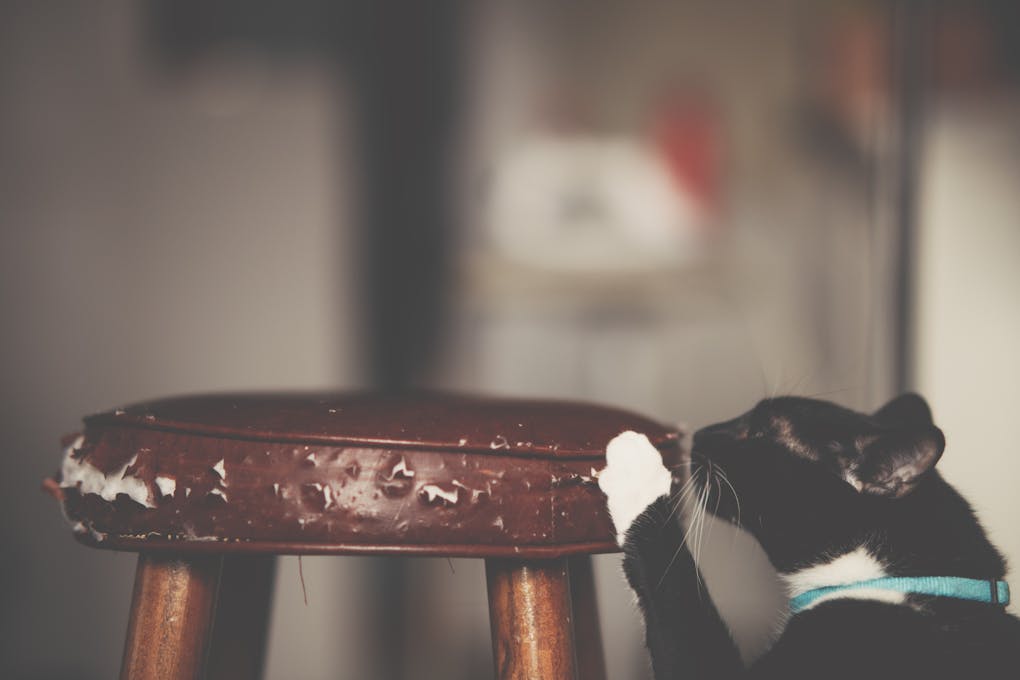
Cats are wonderful companions, but their natural instinct to scratch can wreak havoc on your furniture. Instead of resigning yourself to shredded sofas and clawed curtains, you can use expert advice to manage this behavior effectively. Below are practical strategies and tips to keep your furniture safe while respecting your feline friend’s needs.
Understanding Why Cats Scratch
Cats scratch surfaces for several reasons: to mark their territory, stretch their bodies, and keep their claws sharp. Understanding this natural behavior can help you create a balanced environment for your cat.
The Importance of Marking Territory
When cats scratch, they leave behind both a visible mark and a scent from glands in their paws. This dual action serves as a way for them to mark their territory and feel secure in their environment.
Stretching and Exercise
Scratching allows cats to stretch their muscles and tendons. It also helps them burn off energy, which is crucial for their physical and mental well-being.
Claw Maintenance
Scratching is a natural way for cats to remove the dead outer layer of their claws, keeping them sharp and healthy.
Effective Strategies to Prevent Furniture Scratching
Provide Alternative Scratching Surfaces
One of the most effective ways to prevent your cat from scratching your furniture is to provide alternative scratching surfaces. These can include scratching posts, mats, and cat trees.
- Scratching posts: Position these near the furniture pieces most often scratched.
- Scratching mats: Place them on the floor where your cat likes to scratch.
- Cat trees: These offer multiple surfaces and levels for your cat to explore and scratch.
When choosing these alternatives, ensure they are sturdy and tall enough for your cat to fully stretch.
Use Deterrents
Deterrents can be an effective way to keep your cat from scratching furniture. You can use double-sided sticky tape, aluminum foil, or commercial sprays designed to repel cats.
Sticky Tape & Aluminum Foil
Apply double-sided sticky tape or aluminum foil to the areas where your cat likes to scratch. Cats dislike the sticky texture and sound of foil, discouraging them from scratching those spots.
Commercial Sprays
There are sprays made with natural ingredients that are safe for pets and furniture. These sprays are designed to have a smell that cats dislike but is barely noticeable to humans.
Regular Claw Maintenance
Regularly trim your cat’s claws to minimize damage caused by scratching. Make this a stress-free experience by rewarding your cat with treats and praise, making them more cooperative in the future.
Environmental Enrichment
Provide a stimulating environment to keep your cat engaged and reduce unwanted scratching.
Toys and Interactive Play
Invest in a variety of toys that mimic prey, like feather wands and laser pointers. These will allow your cat to engage in natural hunting behaviors and expend energy.
Cat Furniture and Climbing Areas
Cats love vertical spaces. Install cat trees, shelves, and perches to give your feline friend a place to climb and observe their surroundings.
Training and Positive Reinforcement
Cats, like any other pets, respond well to positive reinforcement.
Reward Good Behavior
Whenever you see your cat scratching the post instead of the furniture, reward them immediately. Use treats, petting, or verbal praise to reinforce the behavior you want.
Consistency is Key
Be consistent with your training. Over time, your cat will learn the preferred scratching locations and will avoid the furniture.
Additional Resources
For more in-depth strategies, you can refer to expert-recommended guides such as how to keep cats from scratching furniture. These guides provide detailed insights and solutions.
Conclusion
Preventing your cat from scratching your furniture requires a combination of understanding their natural behaviors, providing appropriate alternatives, and using positive reinforcement. With these strategies, you can create a cat-friendly home while preserving your cherished furniture.
For those looking to understand more about feline behavior and health, check out our related articles: